
On thinking about how trials and tribulations can affect one’s faith, I questioned the status of my own heart’s durability of remaining steadfast and continually receiving God’s word with confidence. I remembered Mark 4:3-8, 16 of the Bible where the Lord tells a great crowd a parable (a basic story used to demonstrate a spiritual or moral lesson) of a farmer sowing seed which fell in different places and its various effects on the plants. He mentions the seed falling on the pathway, rocky places, among thorns, and in good soil. However, I’m focusing specifically on the verses that reference the rocky places and its effect on the plants, also citing its account in Matthew 13:20-21.
Mark 4:5-6 tells us that some seed “…fell on rocky places, where it did not have much soil. It sprang up quickly, because the soil was shallow. But when the sun came up, the plants were scorched, and they withered because they had no root.”
Matthew 13:20-21 speaks of the same parable but explains “The seed falling on rocky ground refers to someone who hears the word and at once receives it with joy. But since they have no root, they last only a short time. When trouble or persecution comes because of the word, they quickly fall away.”

The root of a plant is its support where the plant attaches itself in the soil, the bottom part. The soil must be cultivated. It is where the plant gets its nutrients. A rocky place is not a good place for things to grow. However, some growth may occur in rocky places, but it doesn’t last very long. A plant’s roots can’t grow well in rocks. The rocks hinder growth and later any intense heat would cause the plant to die.
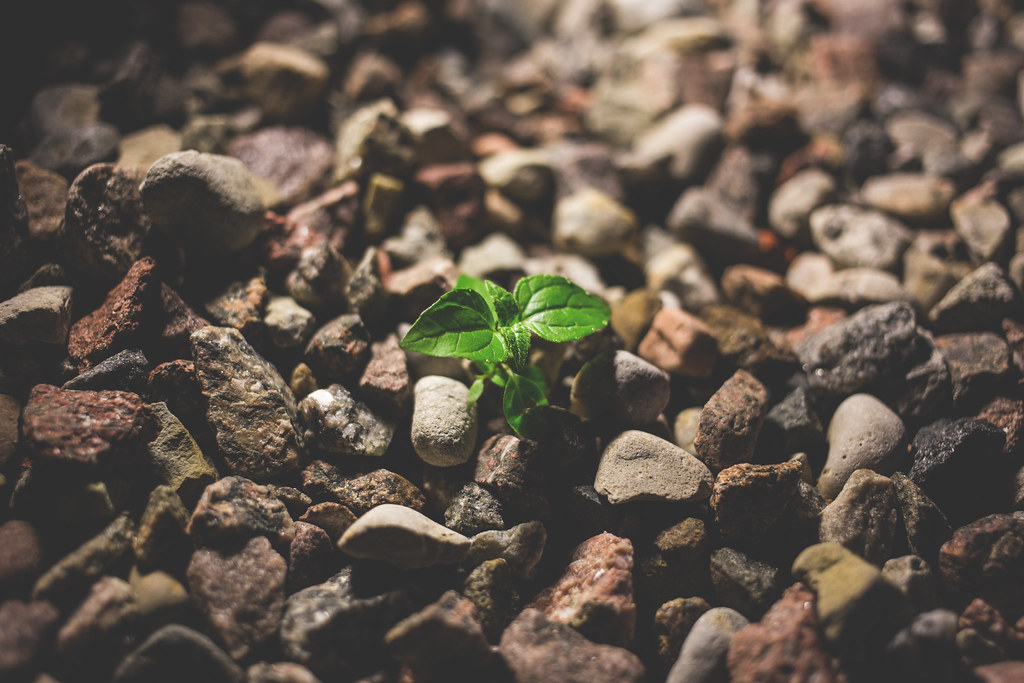
Soil can be filled with pebbles or rocks, lack moisture and nutrients, become compacted, and hard to dig or loosen. This causes the plant to absorb and drain water poorly. Poor drainage potentially causes flooding producing overly wet soil that will leach nutrients, and topsoil can wash away. Soil becomes contaminated from overuse of toxins or chemicals reducing the soil’s fertility.
Assessing our own hearts, we might ask ourselves if our faith would stand when tested by troubles or doubts. Do we keep God first regarding time and interest? Do we get excited about His word, but later pressure causes us to get discouraged toward unbelief? Does our faith have depth? Or are we fickle about the word of God in that we are excited one moment, then later we aren’t? Do we lack endurance? These are important questions for us to consider before facing the trouble and persecution of a Christian’s life. It’s better to be alert and ready ahead of time.

The soil of a plant can be likened to our hearts, with the implanting of the seed of God’s word being necessary to successfully maintain a strong walk of Christian faith. Nurturing this seed in our soil might look like consistent time in personal bible study, meditation on scripture, as well as growing in wisdom through doctrinally sound church sermons and Christian books. All of these aid in strengthening our roots for support that is strong and deep. However, if we allow too many negative stones access to our hearts like false doctrine, offenses toward others, and compromise toward the bible’s teachings, our soil will become shallow. We then risk becoming discouraged, frustrated, weary, and bitter, leading to unbelief.
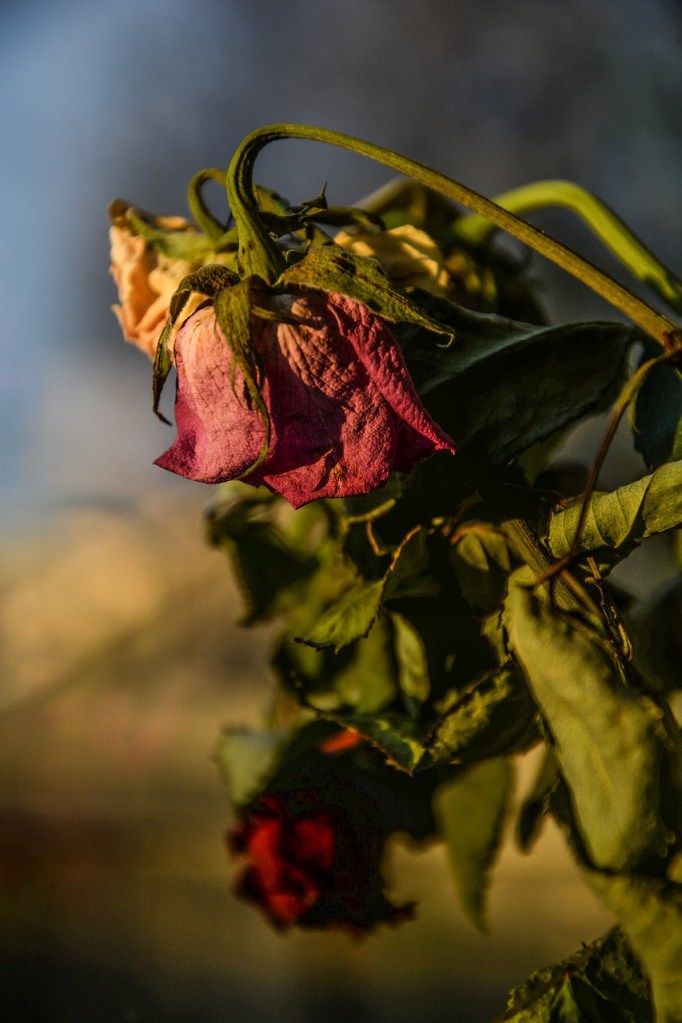
Let’s remember to do occasional heart checks to ensure we are doing our part to maintain a strong, faith foundation for deep spiritual growth in our lives.
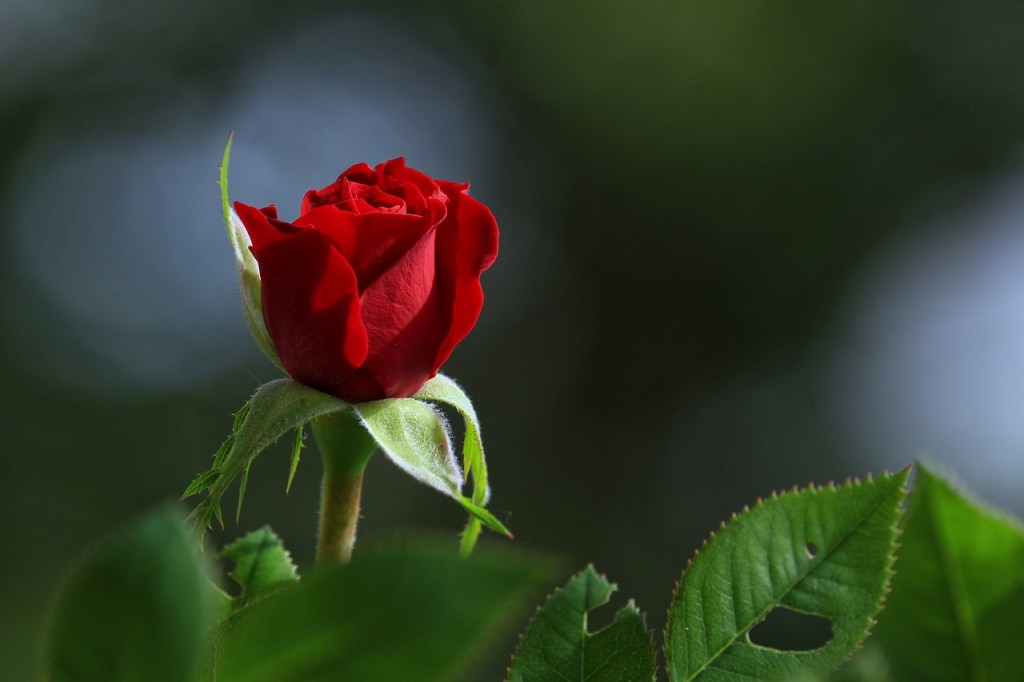
We should fully embrace 1 Corinthians 3:11, “For no other foundation can anyone lay than that which is laid, which is Jesus Christ.” Dependence upon this foundation will ensure that our roots are nourished, and our hearts remain healthy.


 Ms. Rita's Minute