
Fit To Be Tied

I’m remembering how my mother used an old expression that defined her displeasure in a situation: “I was fit to be tied.” This phrase meant that she was so furious she needed to be restrained.

How often are we fit to be tied? What causes us to go throughout the day seething in thought about someone’s inconsiderate behavior toward us, or even worse causes us to blow up in full cussing out mode?

Anger is an emotion we all feel from time to time. Sometimes it’s valid. Other times, not so much. Yet our heavenly Father knows all about the frustrations of life that bring about this emotion. He knows that anger will surface, but teaches us how to handle it.

Anger can have a detrimental effect on our lives if we aren’t careful to bring that emotion under subjection to the Holy Spirit. If we don’t act accordingly, it can cause us to linger in unforgiveness, resentment, and bitterness; not to mention go to jail, or even end up dead.

Anger is not a sin, but can cause us to sin. The Bible tells us in Ephesians 4:26-27/NIV, ““In your anger do not sin”: Do not let the sun go down while you are still angry, and do not give the devil a foothold.”

Sometimes, life will call for the display of righteous anger when injustices are committed. Jesus displayed righteous anger when he turned over the tables of the money changers and sellers he found in the temple. His Father’s house was designed to be a house of prayer. His actions weren’t done to harm them but to correct them.

“When it was almost time for the Jewish Passover, Jesus went up to Jerusalem. In the temple courts he found people selling cattle, sheep and doves, and others sitting at tables exchanging money. So he made a whip out of cords, and drove all from the temple courts, both sheep and cattle; he scattered the coins of the money changers and overturned their tables. To those who sold doves he said, “Get these out of here! Stop turning my Father’s house into a market!” His disciples remembered that it is written: “Zeal for your house will consume me.” (John 2:13-17)
Righteous anger involves standing up for what is right. We see many examples of this in the Bible.

Nehemiah, the initial cupbearer to King Artaxerxes I, and later Governor of Judah, in Nehemiah 5 of the Bible, was very angry following the outcry of the poor of his people. After returning to Judah, the home of his ancestors, by permission of the king, to rebuild the city, he was an example of one whose actions proved helpful.

Nehemiah addressed the nobles and officials regarding the problems of the indigent and succeeded in rebuilding the walls of Jerusalem, as well as instituting some religious and economic reforms.

Righteous anger will often be followed by some kind of needful action. However, our behavior or response to an offense will determine its effect in any situation. The Bible tells us in James 1:19-20 that “…Everyone should be quick to listen, slow to speak and slow to become angry, because human anger does not produce the righteousness that God desires.”

Of course, excessive anger is not helpful, but destructive. It can cause major problems in relationships and make us very unattractive. The Bible warns us about angry associations: “Do not make friends with a hot-tempered person, do not associate with one easily angered, or you may learn their ways and get yourself ensnared.” (Proverbs 22:24-25)

Thankfully, the feeling of anger can be channeled toward something helpful. For example, if one is angry that poor people aren’t considered or helped, one might develop a new method, small or large, to help them. Or simply volunteer one’s own time in their community, at an organization that provides help to the poor.

One might be angry about the trash often seen in one’s neighborhood. One could alone or organize neighbors together, collect trash when seen in front of you or nearby. This can serve as an example to other neighbors to dispose of trash if they see it.

One might be angry about how a classmate is consistently gossiping about other students, causing trouble. That anger can be used to foster a few casual conversations during breaks or lunch before sharing one’s thoughts on how one keeps their own mind free of other people’s behavior.

Sometimes, just seeing someone’s good behavior can spark motivating thoughts in another’s mind and conscience on how to behave.

As God’s ambassadors or representatives, we must submit our emotions to God for His grace to rule. We see that according to Romans 12:16-18, we are to “live in harmony with one another” and that we aren’t to repay anyone for evil but to “be careful to do what is right in the eyes of everyone.”

We are to leave any repayment for wrongdoing to the Lord as He is the only one who has the right to avenge. This is the way of His kingdom whether we like it or not.

Often, it takes more advanced help to temper our tempers. We may need counseling to help us unpack those hidden things that cause us to feel rage to the point of harming others. Not to mention time in God’s Bible and prayer regularly makes for less frustration and outbursts.

Though anger may surface, God graciously gives us creative ways of being and doing that help us steer clear of displaying those behaviors that anger may produce, but we must read our Bibles and pray consistently, even if in short, small segments.

The Impatience Struggle

Sometimes, I think patience is the one fruit of God’s Spirit that I’ve struggled to walk in most. Nevertheless, at times I’ve feared to ask for more of it, as lessons of patience often involve more waiting. Yet, as God’s family, we must have it, as the blessings of life will never perfectly unfold per our own time schedules. So to stay in God’s peace, we must cultivate patience.

As we’ve submitted our lives to the Lord, we come under His divine schedule and must honor His way of bringing events to pass. Hence, we learn to wait and practice contentment while we do so, which makes life less stressful. Impatience indeed brings on unneeded anxiety.

When we find ourselves unable to make something occur, when or as we’d like, we may be tempted to create various ways to do so. This can make matters worse, so we must resist the urge to control events that require waiting, which creates extra angst.

There are many examples in the Bible of godly people who needed to exercise great patience. However, here are a few who experienced it’s necessity and reward:

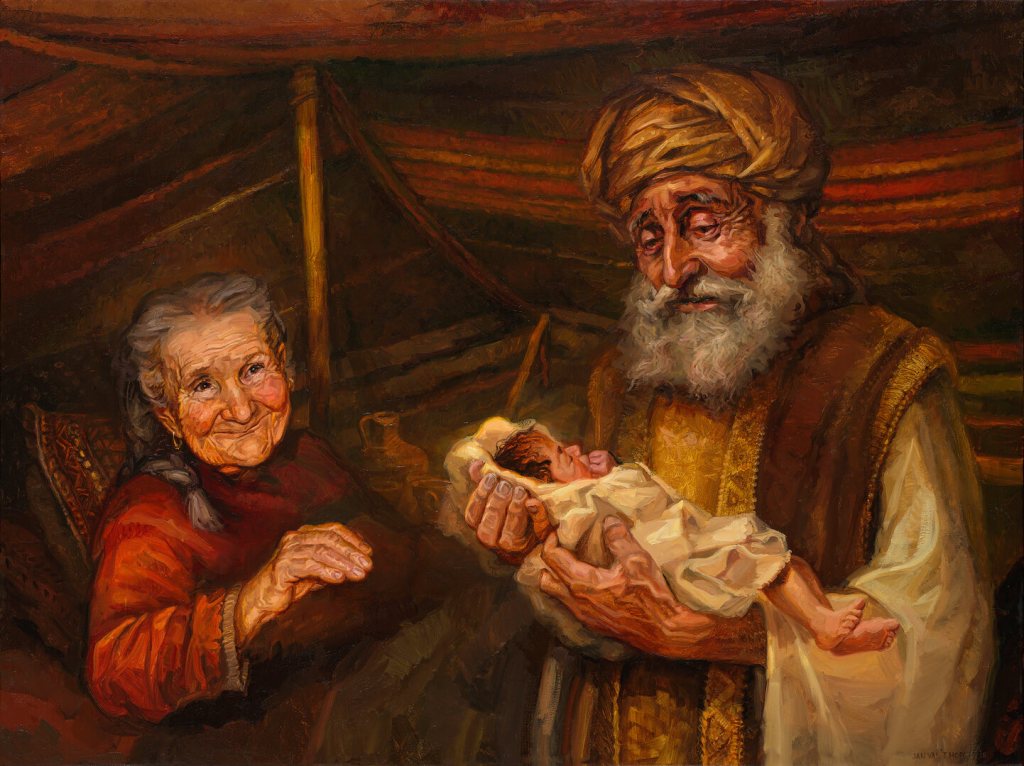
(Photo: Gospel Images)

Abraham and Sarah

This memorable couple, mentioned in Genesis 17-21, waited many years for God’s promise of a child to be fulfilled. Despite their very old age, they eventually had their son, Isaac. Yet the waiting was not without some doubt, namely when Sarah took it upon herself to attempt to help God out by offering her slave to her husband, Abraham, to produce a child which he was obliged to do. This was not without some frustrating events that occurred later.

Joseph

Joseph, in Genesis 37-50, faced being betrayed by his brothers, the lies of a frustrated woman, and imprisonment in Egypt. Yet Joseph remained patient and faithful, later being promoted with great authority and reconciliation with his brothers.

Moses

In the book of Exodus, Moses, leading the Israelites out of Egypt, dealt with the people’s complaints and disobedience for 40 years before they reached the Promised Land. Nevertheless, Moses, who initially thought he was definitely not the man for the job, completed his assignment.

Job

Job, in the book of Job, is a man who the Bible described as blameless and upright; who feared God and shunned evil. He had to exhibit much patience when he lost everything he had–health, wealth, and family–but still praised God and would not turn away from Him. He continued to trust Him and saw the latter part of his life greater than the former, encompassing the restoration of all he had lost and more.

The Bible teaches us that patience is produced through the trials and testing of our faith, per James 1:2-4, so we know this to be a way this fruit is cultivated in our lives.

(Photo: Impatience Meter Levels by Jane Keeper)

Sometimes, we can get offended by someone to the point of anger, but we’re told in Proverbs 15:18 that “a hot-tempered person stirs up conflict, but the one who is patient calms a quarrel.” So this is where we have to ask God for His grace to exercise His patience when we are tempted by frustrating interactions with others.

God has given us a helpful way to get through our challenges of waiting as we grow in patience. That way is prayer: simply asking and believing Him. If He didn’t want us to do so, He wouldn’t have said so.

In Mark 11:24, Jesus said, “Therefore I tell you, whatever you ask for in prayer, believe that you have received it, and it will be yours.” We already know that according to Matthew 6:10, we are to be praying that God’s “will be done”, and that via Ephesians 5:17, we are not to be foolish, but “understand what the will of the Lord is.” Therefore, we read the Bible to know His will.

In addition, Philippians 4:6-7 tells us: “Do not be anxious about anything, but in every situation, by prayer and petition, with thanksgiving, present your requests to God. And the peace of God, which transcends all understanding, will guard your hearts and your minds in Christ Jesus.”

Furthermore, James 1:5 tells us, “If any of you lacks wisdom, you should ask God, who gives generously to all without finding fault, and it will be given to you.”

It is truly a blessing, to be assured in Galatians 6:9, that we will reap a harvest at the proper time, if we don’t get weary in doing good and give up. Talking to God when we’re waiting on anything brings comfort.

It’s not easy to wait, especially when it is something that appears to be needful immediately. Nevertheless, we are graced to seek God for the patience necessary to wait with the fruit of peace and joy that He’s also provided us.

Who’s Watching?

When we’re watching something or someone, we’re intently looking, paying close attention to our object of focus. Jesus tells us in Luke 12:37, “It will be good for those servants whose master finds them watching when he comes.” Interestingly, He goes on to tell us, “Truly I tell you, he will dress himself to serve, will have them recline at the table, and will come and wait on them.”

Yeshuaschildart.com

A part of being ready is “watching”; the Greek word, grēgoreō or grēgorountas, which indicates staying awake; being alert, and in constant readiness; while the word luchnos is the Greek word for lamps, as in portable lamps. While watching we are waiting and make ourselves “ready” by keeping our “lamps” burning. Lamps of that day were kept burning with oil.

Oil in the Bible represents the Holy Spirit. We are to be the containers that hold the oil the Father provides. So, we should remember to stay alert and keep our lamps in good working condition. When our bridegroom comes, He will then recognize that oil within us.

A notable passage regarding lamps and oil in Matthew 25:1-13 is the parable of the ten virgins, five wise and five foolish. Upon going to meet their bridegroom, the wise virgins took their lamps as well as oil in jars for the lamps. The foolish virgins only took their lamps. They fell asleep waiting for the bridegroom as he took a long time to come. However, at midnight a voice cried out the bridegroom had arrived and to come out to meet him.

Ten Virgins by George Cocco

All the virgins awoke and trimmed their lamps while the foolish virgins asked the wise ones for some of their oil as their lamps were going out. But the wise ones declined telling them there might not be enough to do so and to go and buy some oil from those who sold it. While the foolish virgins went to buy oil, the bridegroom came and the virgins who were ready went into the wedding banquet with Him, and the door was shut.

Later, the foolish virgins came crying out for the bridegroom, “Lord, Lord, open the door for us,” but He answered, “Truly, I tell you, I don’t know you.” The parable ends with the warning to “keep watch because you do not know the day or the hour.”

Freepik.com

Jesus tells us in Luke 12:35-36, that like servants waiting for their master to return, we need to be dressed and ready so that when he comes, we can “immediately open the door for him.” But how are we to be dressed? Naturally, when we get dressed, we assess where we are going, what we’ll be doing, and what type of attire the event will require. Then, we assemble those items and clothe ourselves appropriately.

When we are dressed for the Lord’s service, we ascertain what is required for that service and clothe ourselves as such. The Bible tells us what kind of clothes the Lord desires when it says in Colossians 3:14 to put on love. Colossians 3:12 tells us to clothe ourselves with compassion, kindness, humility, gentleness, and patience. We’re also told in 1 Timothy 2:10, that as women, we are to be adorned with good deeds, appropriate for women who profess to worship God.

Most likely, we all know what it’s like to have someone visit unexpectedly. If we had no idea they were coming, there’s a good chance we may not be dressed, and if we aren’t especially neat, our living room may not be pleasantly comfortable to receive guests. So with the future event of the Lord’s return, we are blessed to be ready at all times as Jesus will come at an hour when we don’t expect him (Luke 12:40).

True Happiness

People seek happiness or “the good life” in many things. However, according to God’s wisdom, only a few things are required to achieve it.

If we truly desire a full life of peace, success, favor, and good health, here within three bible passages, is God’s prescription:

1. Proverbs 3:1-2/NIV
My son, do not forget my teaching, but keep my commands in your heart, for they will prolong your life many years and bring you peace and prosperity.

    2. Proverbs 3:3-4/NIV
    Let love and faithfulness never leave you; bind them around your neck, write them on the tablet of your heart. Then you will win favor and a good name in the sight of God and man.

    3. Proverbs 3:7-8/NIV
    Do not be wise in your own eyes; fear the Lord and shun evil. This will bring health to your body and nourishment to your bones.

    To practice God’s wisdom in obtaining happiness in life, we must first know:

    1. God’s commands;

    2. God’s definitions of love and faithfulness;

    3. what it means to fear the Lord; and

    4. how to identify evil, and avoid it.

    We learn God’s commands by availing ourselves of His resources (i.e., the Bible; the gifts Christ gave to the church: the apostles, prophets, evangelists, pastors, and teachers; and other Holy Spirit-led, wise counselors).

    Godly love and faithfulness entail traits such as compassion, kindness, humility, steadfastness, honor, empathy, sacrifice, forgiveness, and patience.

    Fearing the Lord denotes reverencing and holding Him in high regard; appreciating and acknowledging Him; placing Him first in our lives; and showing Him the utmost respect He deserves.

    Discerning good and evil is accomplished by the study of God’s Bible and the indwelling of His Spirit within us. Right and wrong are clearly established in His word, as well as the laws of our society that can be traced back to the Bible. In addition, hopefully, wise training in good and evil is also provided by one’s parents or guardians.

    The length of time and maturity in applying these things will prove different for every believer. However, we are blessed beyond measure to have God’s grace and wisdom during our growth.

    Pride and a Good King Gone Bad

    I love how the Bible takes us through the lives of kings and others, showing us those who followed the ways of the Lord, those who didn’t, and the life consequences of both. In reading 2 Chronicles, I’ve pondered the life of King Uzziah. He was only 16 years of age when the people of Judah made him king in place of his father Amaziah. He had a fruitful life of adventure with the Lord’s assistance, but somehow, later, veered off of his God-given course of life, and got shipwrecked.

    The Bible describes King Uzziah as initially doing what was right in the eyes of the Lord, as his father Amaziah had done. He sought the Lord following Zechariah’s teachings in the fear of God and as long as he did, God made him successful.

    Image: 2024 Microsoft Designer

    God helped King Uzziah fight victoriously against his enemies, and the Bible says he became famous and very powerful. He built and fortified towers in Jerusalem and the wilderness. He had a lot of livestock and people working his fields and vineyards.

    King Uzziah also had a well-trained army of 307,500 men for which he provided various weaponry for the entire army, and 2,600 family leaders over them. The Bible tells us in 2 Chronicles 26:14, that King Uzziah provided “shields, spears, helmets, coats of armor, bows and sling stones for the entire army.” In addition, he created devices for use on the towers and corner defenses so that the soldiers could fight, shooting arrows and hurling stones appropriately.

    With all of this, the Bible tells us, King Uzziah’s “fame spread far and wide, for he was greatly helped until he became powerful.”

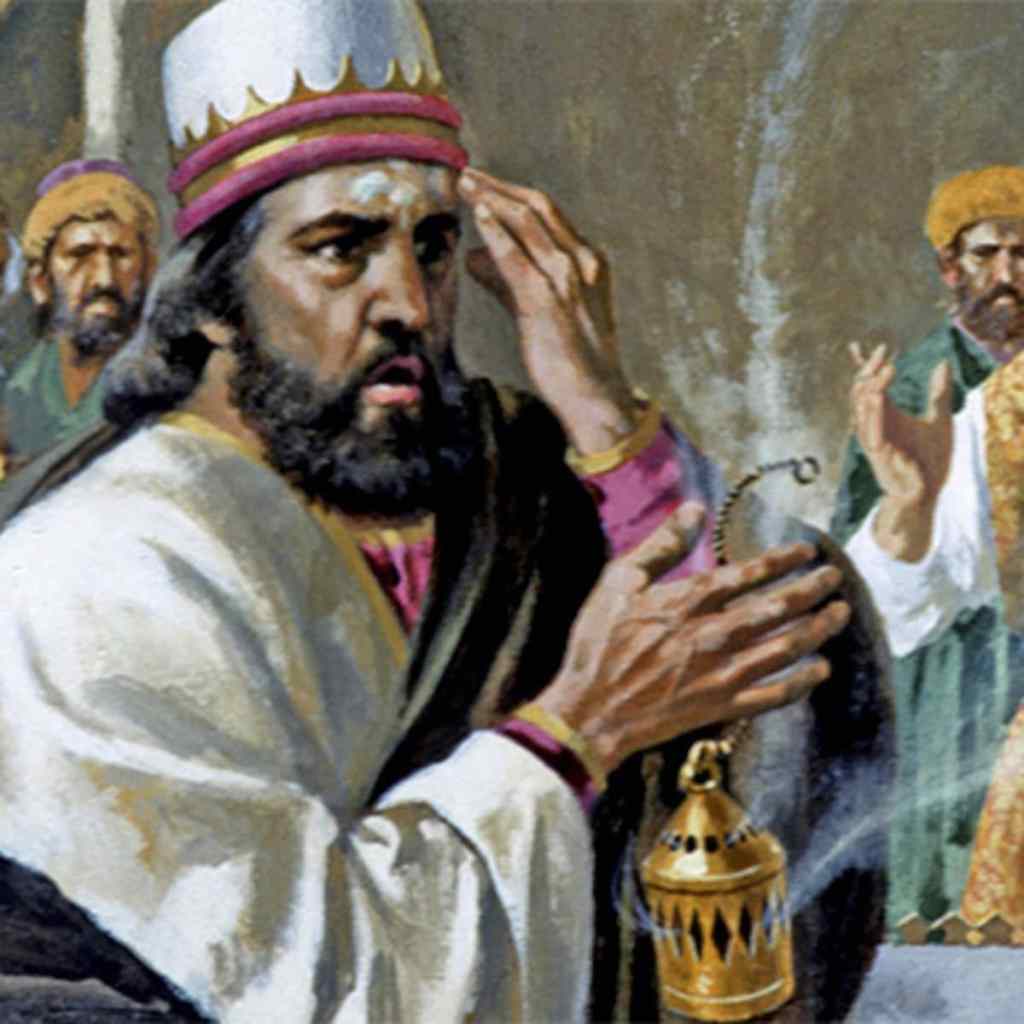
    Unfortunately, with Uzziah’s great power and success, came pride, which led to his downfall. We are shown that Uzziah was unfaithful to God and entered the temple to burn incense on the altar of incense. ( A big no-no!) Azariah the priest along with eighty other priests followed King Uzziah in the temple and confronted him about it, telling him he was wrong to do so.

    Only priests, descendants of Aaron, who had been consecrated to burn incense were approved to offer incense. He was told to leave the sanctuary as he had been unfaithful and would not be honored by God.

    Image: DrawforGod.com

    Consequently, King Uzziah got angry, and while holding a censer ready to burn the incense, the Bible says he was raging at the priests. Can you imagine? In the temple, in the presence of God, this going on? Raging isn’t a polite word and denotes violent uncontrollable anger via Merriam-Webster, and stormy, furious, and turbulent behavior in Hebrew.

    Then, the chief priest and all the others looked at King Uzziah as leprosy broke out on his forehead. Hence, the priests hurried him out, and he “was eager to leave because the Lord had afflicted him.” (2 Chronicles 26:20)

    Image: 2013 – V. Gilbert and Arlisle F. Beers/Lynn Maynard

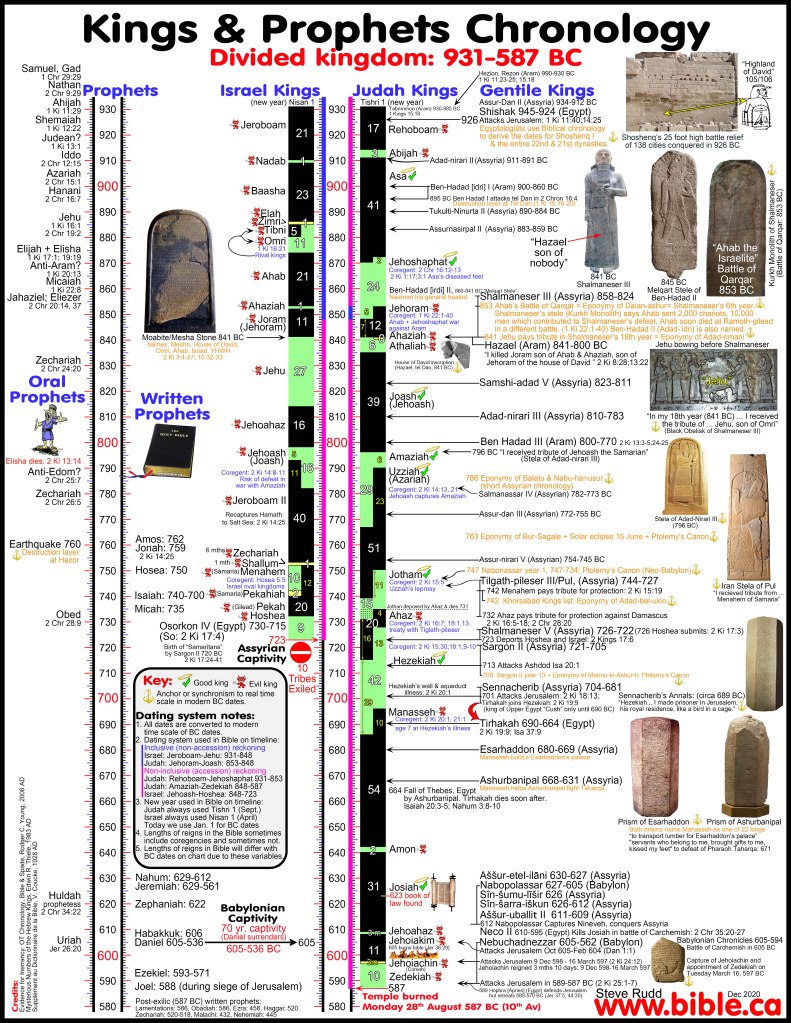
    Sadly, King Uzziah had leprosy for the rest of his life, was banned from the temple, and had to live in a separate house, with his son, Jotham, having charge of the palace and governing the people. King Uzziah served as king of Judah in Jerusalem for fifty-two years, after which He was buried near his ancestors in a cemetery belonging to kings, as he was spoken of as having leprosy. His son Jotham became the next king.

    Video: Bible Investigators TV

    Tragically, someone may start life well and later end up losing everything of importance because of their own poor decisions. King Uzziah followed in the footsteps of his dad, King Amaziah, beginning well, but ending poorly. As well, King Amaziah followed in the footsteps of his father, King Joash, who also started his reign righteously, but ended woefully. Dismally, King Ahaziah, King Joash’s dad, did evil in God’s sight, following his father King Jehoram, who also lived wickedly and died of a painful intestinal disease.

    Steve Rudd/www.bible.ca

    Unfortunately, oftentimes great power and authority can make us full of arrogance and self-conceit. The Bible warns us of the danger of pride: “When pride comes, then comes disgrace, but with humility comes wisdom.” (Proverbs 11:2) “The LORD detests all the proud of heart. Be sure of this: They will not go unpunished.”(Proverbs 16:5) “Pride goes before destruction, a haughty spirit before a fall.” (Proverbs 16:18)

    David Diga Hernandez, Evangelist

    Perhaps the best action for any of us in the family of God would be to pray daily that the Holy Spirit would help us to maintain a consistent spirit of humility in all of life; recognizing, denouncing, and shunning any prideful temptations the enemy would send to destroy us, and our witness for the Lord. I mention denouncing because sometimes exposing or speaking against what we know to be a temptation, as well as praying, can be a strong source of defense against pride. Not to mention, just staying in our lane.

    Image: Anna via Slideshare

    True Friends to Appreciate

    Aren’t you glad God created animals? I am. They are, and have been, more of a blessing than we may realize. In the Bible, we see animals created in the book of Genesis 1:20-25. Just before creating man to rule over them, God spoke the creatures of the sea into existence first, followed by the birds, and then various kinds of livestock and creatures that moved on the ground. It’s interesting God said, “Let the land produce living creatures….,” so I imagine an astonishing event of animals forming from the ground all over the earth before the eyes of the Lord. Magnificence!

    Throughout the ages, animals have been a great help to us as we’ve used them for clothing, food, work, protection, and companionship. God cares about them and has assigned man to rule over them. In Genesis 1:26, “Then God said, “Let us make mankind in our image, in our likeness, so that they may rule over the fish in the sea and the birds in the sky, over the livestock and all the wild animals, and over all the creatures that move along the ground.”

    However, mankind didn’t initially start out eating steak and lamb chops on the earth! Before the first couple sinned, their diet was not the meat of animals. As stated in Genesis 1:29-30: “Then God said, “I give you every seed-bearing plant on the face of the whole earth and every tree that has fruit with seed in it. They will be yours for food. And to all the beasts of the earth and all the birds in the sky and all the creatures that move along the ground—everything that has the breath of life in it—I give every green plant for food.” And it was so.”

    Nevertheless, eventually, animals were used for clothing, food, and sacrifices to God. After the first man and woman sinned, they created their own plant attire to cover up before God provided His. Today, many drawings, pictures, and films depict the garments God created for them as animal skin. This could very well be the case.

    Genesis 3:21 says, “The Lord God made garments of skin for Adam and his wife and clothed them.” It does not specifically say animal skin. So we may conclude it could have been either animal skin or some other kind of material or substance of God’s choosing. However, it does make great sense that perhaps the Lord performed the first sacrifice for sin by killing an animal (shedding blood) and making animal skins of clothing for the first couple.

    In Genesis 4:3-4, we see Adam and Eve’s sons, Cain and Abel offering sacrifices to the Lord: “In the course of time Cain brought some of the fruits of the soil as an offering to the Lord. And Abel also brought an offering—fat portions from some of the firstborn of his flock.”  Afterward, we see the practice of animal sacrifice throughout the Old Testament.

    Furthermore, in Genesis 8:20-21, God allows the departure of Noah, his family, and all the animals from the ark Noah had built, at the Lord’s instructions, to remain safe from the great flood that would kill every living being outside of it. Noah then proceeds to offer sacrifices to God: “Then Noah built an altar to the Lord and, taking some of all the clean animals and clean birds, he sacrificed burnt offerings on it. The Lord smelled the pleasing aroma and said in his heart: “Never again will I curse the ground because of humans, even though every inclination of the human heart is evil from childhood. And never again will I destroy all living creatures, as I have done.”

    Later, in Genesis 9:3, after Noah’s sacrifices to God, with God’s blessing on Noah and his sons, He included: “Everything that lives and moves about will be food for you. Just as I gave you the green plants, I now give you everything.” Now God was allowing more to man’s diet than plants.

    In any event, the Bible states God’s animals belong to Him. “The earth is the Lord’s, and everything in it …” (Psalm 24:1) Hence, God considers the well-being of animals and expects us to take care of them. “The righteous care for the needs of their animals, but the kindest acts of the wicked are cruel.” (Proverbs 12:10)

    In Jonah 4:11, we see God’s thoughts on the care of animals in one city that had some serious problems. “And should I not have concern for the great city of Nineveh, in which there are more than a hundred and twenty thousand people who cannot tell their right hand from their left—and also many animals?” He didn’t have to mention animals and would not have done so if He didn’t value them.

    In conclusion, I’m wondering: Do you have a pet? If so, how has that pet added value to your life? In my eyes, these adorable, majestic, funny, brave, sometimes fearful, and wild creatures are beautiful to behold. Currently, I don’t have one, but I appreciate God’s brilliant fashioning of them.

    One Man

    Can you imagine waking up for the first time and finding you are the only human being on the planet? It’s quite interesting to read the Bible and find out that we all descended from one man who experienced such an event. Perhaps the more we think about this, the more of a respectful mindset toward one another we’ll possess. The fact that we all look very different in our various colors, shapes, and sizes, as well as come from all kinds of places, doesn’t negate the reality that we all originated from one person.

    At the beginning of the creation of the heavens and the earth in Genesis 2:7, we find that “the Lord God formed a man from the dust of the ground and breathed into his nostrils the breath of life, and the man became a living being.” In verse 15, ” The Lord God took the man and put him in the Garden of Eden to work it and take care of it.” Then in verse 18, the Lord says, “It is not good for the man to be alone. I will make a helper suitable for him.”

    Illustration by Caleb Salisbury

    Afterward, the Lord caused the man to fall into a deep sleep and while he slept, took one of the man’s ribs and made a woman from that rib. The man, Adam, named the woman Eve, who became pregnant with her first two sons, Cain, and later Abel. At this point, we see the start of one huge family of mankind, originating from one man God created, who grew into all of us on earth today.

    Illustration: Teach and Grow

    We are told in Acts 17:26-27, that “from one man he made all the nations, that they should inhabit the whole earth; and he marked out their appointed times in history and the boundaries of their lands. God did this so that they would seek him and perhaps reach out for him and find him, though he is not far from any one of us.”

    So why do so many of us still struggle with the various color distinctions of the human race God created on His earth? These differences are constantly highlighted and labeled in various ways. Yet, the Lord tells us in 2 Corinthians 5:16, that we should regard no one according to the flesh; and in 1 Samuel 16:7, the Lord doesn’t see as man does; the man looks at the outward appearance, but the Lord looks at the heart.

    For those of us who are Christ’s followers, this reality of life speaks even louder following Jesus’ death and resurrection, “for all of you who were baptized into Christ have clothed yourselves with Christ. There is neither Jew nor Gentile, neither slave nor free, nor is there male and female, for you are all one in Christ Jesus. If you belong to Christ, then you are Abraham’s seed, and heirs according to the promise.” (Galatians 3:27-29) In light of this amazing truth, our thoughts on a person’s skin color or birthplace should not present a problem for one’s existence in any way. Clearly, the Bible shows us in many ways that one’s spiritual alignment, character, motives, and behavior are of the most importance.

    Consequently, we’ve still got some work to do to embrace and live the truth that we are all one human race of people (whether we like it or not) and should see ourselves as such. If we are Christ’s disciples or ambassadors, we are one family, our aim being to love God and one another past our skin color or birthplace; and treat one another as we desire to be treated.

    We’ll no doubt get a lot further along well on the earth, the closer we get to this goal. Not to mention reality extends into eternity as shown in Revelation 7:9, ““After this I looked and there before me was a great multitude that no one could count, from every nation, tribe, people and language, standing before the throne and in front of the Lamb.”

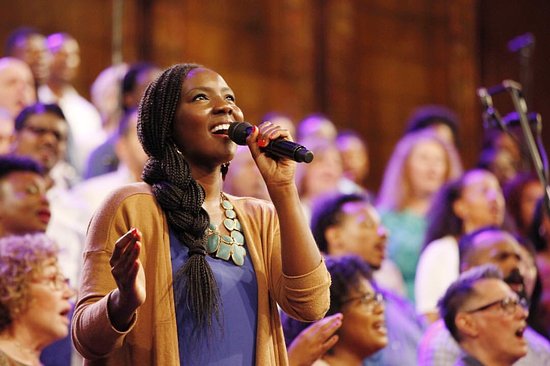
    Photo: Worship Resources International

    How We Overcome

    Do you know that you are an overcomer? As one who believes and abides in Jesus Christ as the Son of God, you are! You overcome the annoying trouble and evil of these last days because of the greater one who lives inside of you. That’s something to praise the Lord about! Give glory to God, though the weapons may form, they won’t prosper against us!

    The Greek definition of overcome in Strong’s Concordance is to conquer, prevail–nikao/nike– “victory”, properly, conquer; to carry off the victory, come off victorious. Merriam-Webster’s definition: to get the better of: surmount; overwhelm; to gain the superiority: win.

    The Lord is faithful to give us examples of this word–overcome–in the Bible, and I’ve highlighted a few that I find especially important to remember.

    In Matthew 16:18, we find God’s message to his disciple, Peter, after he declares Jesus as the Messiah, the Son of the living God: “And I tell you that you are Peter, and on this rock, I will build my church, and the gates of Hades will not overcome it.” It shows the foundation upon whom the Lord would build His church and the power of its existence; that even Hades itself would not be able to defeat it.

    Another occurrence is when Jesus speaks to his disciples in preparing them for events that were to come, relating to his departure from the earth, as He was soon to return to His Father in heaven: “I have told you these things, so that in me you may have peace. In this world you will have trouble. But take heart! I have overcome the world.” (John 16:33)

    Jesus wanted to encourage His beloved people with the fact that, though he would be leaving, he’d send an Advocate, the Spirit of Truth, and though they’d experience grief, it would be turned to joy. Also, they would be able to ask the Father, in Jesus’ name, for whatever they desired and they would receive it.

    Though the author never revealed himself by name, it is believed that the book of 1 John was written by the apostle John who wrote in 1 John 2:13, “I am writing to you, fathers, because you know him who is from the beginning. I am writing to you, young men, because you have overcome the evil one.” John, in this event, is describing his reasons for writing them and addresses loving other believers, not loving the world, or denying Jesus, and sin.

    In 1 John 4:4, the apostle referred to the spirit of the antichrist which was coming and even then was already in the world. In this passage, John taught the believers how to recognize the Spirit of God and how to recognize false prophets. “You, dear children, are from God and have overcome them, because the one who is in you is greater than the one who is in the world.”

    1 John 5:4-5, shows us that “.. everyone born of God overcomes the world. This is the victory that has overcome the world, even our faith. Who is it that overcomes the world? Only the one who believes that Jesus is the Son of God.” These verses are pretty clear about who overcomes the world. So if we’ve accepted Jesus as the Son of God and have become born again, acknowledging Him as our Lord, what does that make us?

    In light of what God has already done by sacrificing His Son as the atonement for our sins, and having grafted us into His wonderful family, how do we practically overcome these evil and last days upon the earth? The answer may not appear as one would immediately think, as perhaps war and revenge might surface first. However, Romans 12:21 tells us “Do not be overcome by evil, but overcome evil with good.” But how?

    Romans 12: 9-20 gives us an interesting view of overcoming:

    • Love sincerely. 
    • Hate what is evil; cling to what is good. 
    • Be devoted to one another in love. 
    • Honor one another above yourselves. 
    • Never be lacking in zeal, but keep your spiritual fervor, serving the Lord. 
    • Be joyful in hope, patient in affliction, faithful in prayer. 
    • Share with the Lord’s people who are in need. Practice hospitality.
    • Bless those who persecute you; bless and do not curse. 
    • Rejoice with those who rejoice; mourn with those who mourn. 
    • Live in harmony with one another. 
    • Do not be proud, but be willing to associate with people of low position.
    • Do not be conceited.
    • Do not repay anyone evil for evil. 
    • Be careful to do what is right in the eyes of everyone. 
    • If it is possible, as far as it depends on you, live at peace with everyone. 
    • Do not take revenge, the Lord will repay.
    • If your enemy is hungry, feed him.
    • If your enemy is thirsty, give him something to drink.

    I’m reminded of an event in the Old Testament that speaks of overcoming when feeling inadequate because of the perceived lack of the tools to succeed; an awesome revelation of God’s purpose, plan, and outcome to a young prophet, Jeremiah. “They will fight against you but will not overcome you, for I am with you and will rescue you,” declares the Lord.(Jeremiah 1:19)

    This was a portion of the Lord’s word to Jeremiah beginning with the Lord stating how before He had formed him in his mother’s womb, He knew him and set him apart. The Lord’s reply to Jeremiah’s concern of not knowing “how to speak” and being “too young” was that He had appointed him, told him of what was to come, to get ready, to say whatever he would give him to say, and not to be afraid. Surely, we all can note lessons from this word.

    Further, we have the benefit of overcoming in Revelation 3:4-5:  “… They will walk with me, dressed in white, for they are worthy. The one who is victorious will, like them, be dressed in white. I will never blot out the name of that person from the book of life[sic], but will acknowledge that name before my Father and his angels.” Then, in Revelation 3:21: “To the one who is victorious, I will give the right to sit with me on my throne, just as I was victorious and sat down with my Father on his throne.”

    Moreover, Revelation 12:10 speaks of “the accuser of our brothers and sisters, who accuses them before our God day and night, and has been hurled down.” Then Revelation 12:11 says, “They triumphed over him by the blood of the Lamb and by the word of their testimony; they did not love their lives so much as to shrink from death.” Some Bible translations use the word “overcame” versus “triumphed”.

    In any event, authentic believers are overcomers; which brings to mind the words of the Apostle Paul in Philippians 1:20-21: “I eagerly expect and hope that I will in no way be ashamed, but will have sufficient courage so that now as always Christ will be exalted in my body, whether by life or by death. For to me, to live is Christ and to die is gain.”

    As we experience the events of our present and future times, let’s hold close to our hearts Hebrews 12:1-3, “Therefore, since we are surrounded by such a great cloud of witnesses, let us throw off everything that hinders and the sin that so easily entangles. And let us run with perseverance the race marked out for us, fixing our eyes on Jesus, the pioneer and perfecter of faith. For the joy set before him he endured the cross, scorning its shame, and sat down at the right hand of the throne of God. Consider him who endured such opposition from sinners, so that you will not grow weary and lose heart.”

    Photo: Associated Press and EDDIE PELLS AP National Writer

    We’ve Got Blessings On Blessings!

    It’s absolutely fascinating what God has provided for those who love Him. I wonder how anyone would not want a relationship with Him. Sometimes, I just want to count our blessings.

    So graciously, our Father has given us:

    Jesus Christ–His Son, the atoning sacrifice for our sins, who is the Lamb of God, yet King of kings and Lord of lords. He is also wonderfully known as Immanuel (God with us), Prince of Peace, Savior, Our Good Shepherd, Redeemer, the Bread of Life, and Light of the World, among other names. He’s provided forgiveness for our sins, with the ability of repentance and sanctification, along with new mercies, daily. He’s our ever-present help in times of trouble.

    The Holy Spirit–the power of Himself living within us to be witnesses for Christ, and to live a holy life before the Lord. He’s our Comforter, Counselor, Advocate, and Spirit of Truth among other blessings. He’s the presence of God within us; providing His fruit of love, joy, peace, patience, kindness, goodness, faithfulness, gentleness, and self-control. Also, He’s our security in knowing He’s resident inside of us, and sees, hears, and faithfully assists us toward His will for our lives. Furthermore, He’s made available His presence for experiencing the joys of protection, prayer, counsel, companionship, and abundant compassion and mercy.

    Eternal Life–now and forever, as our spirits, and later our transformed bodies, live with Him for eternity, never to experience death again.

    Bible Promises–the Old and New Testament scriptural guarantees and covenants as blessings and warnings to help us live successfully for Christ.

    A Heavenly Home–the loving care of living luxuriously forever in the Kingdom of Heaven, a home of unimaginable pleasure, and total freedom from all evil, sickness, and pain, with God and other families of believers from the beginning of time.

    A New Heaven and New Earth–a new planet, still called Earth, and a new dwelling called Heaven, that our God will create for His and our enjoyment. And we think the old are spectacular!

    The Experience of Glorious Events–adventures of awesome glory that include the catching up of God’s people to live with Him, the return of Jesus to the earth to battle evil, and the Millennial Kingdom.

    These are just a few blessings I’ve mentioned. Are there any others you can count?

    How to Represent Christ

    Ever think about who or what we as individuals represent? Thankfully, the Bible tells us that believers are ambassadors for Christ, beloved children, a chosen race and royal priesthood, and God’s workmanship among other things. (2 Corinthians 5:20, Ephesians 5:1, 1 Peter 2:9, Ephesians 2:10).

    However, sometimes, in our attempts to live as faithful Christians, we struggle with the battle between flesh and spirit, desiring to do what is good, but not carrying it out. Yet God is faithful to walk with us and counsel us as we represent Him effectively on the earth.

    It’s important to note that the Bible tells us that 1 John 2 was written so that we will not sin, “but if anybody does sin, we have an advocate with the Father–Jesus Christ, the Righteous one. He is the atoning sacrifice for our sins, and not only for ours but also for the sins of the whole world.”

    We know that we have come to know him if we keep his commands. Whoever says, “I know him,” but does not do what he commands is a liar, and the truth is not in that person. But if anyone obeys his word, love for God is truly made complete in them. This is how we know we are in him: Whoever claims to live in him must live as Jesus did.

    So, as Christ’s representatives, loving is important, and understanding what it means to love is critical. The truth is seen in Christ and us: loving one another and living in the light, versus hating one another and living in darkness. Further, His Bible tells us the word of God lives in us and we have overcome the evil one! Now, our message as ambassadors or representatives of Christ is “Be reconciled to God.” (2 Corinthians 5:20/NIV).

    All this is from God, who reconciled us to himself through Christ and gave us the ministry of reconciliation: that God was reconciling the world to himself in Christ, not counting people’s sins against them. And he has committed to us the message of reconciliation.” (2 Corinthians 5:18-19/NIV)

    In addition, where there’s no place like home, as representatives of Christ:

    Wives, submit to your husbands, as is fitting for those who belong to the Lord.” (Colossians 3:18/NLT)

    Husbands, love your wives and never treat them harshly.” (Colossians 3:19/NLT)

    Children, always obey your parents, for this pleases the Lord.” (Colossians 3:20/NLT)

    And whatever you do or say, do it as a representative of the Lord Jesus, giving thanks through him to God the Father.” (Colossians 3:17/NLT)