
Let It Go!

Hebrews 12:1-2 

Wherefore seeing we also are compassed about with so great a cloud of witnesses, let us lay aside every weight, and the sin which doth so easily beset us, and let us run with patience the race that is set before us, looking unto Jesus the author and finisher of our faith; who for the joy that was set before him endured the cross, despising the shame, and is set down at the right hand of the throne of God.

Ever wish you could sit with someone, take their hands, look deeply into their eyes, and say, let it go? You want to encourage them toward a better way. You want to comfort them and inspire them to let go of all the bullying, manipulating, name-calling, belittling, and nagging abuse they’ve received. You understand they want to ignore it or get revenge, but they’re too empathetic to act on their feelings. So, they embrace the perceived right to be angry, grudgeful, hateful, and dismissive, all at once. Yet their heart still aches, and they feel used and taken for granted.

They meditate on all the days, all the words, they should have done this, or they will do that. They’ve taken them on like a coat of honor. They’ve got this, they can handle it. Yet they actually mustn’t take it at all. They must cast it! Jesus wants them to cast their cares and not brood over or worry about them. All that was done to them was not their doing or welcoming. All of that bad belongs to the enemy of their soul, not them.

Wallowing in unforgiveness will kill them if not addressed. God’s word commands that they forgive as He has forgiven them. Furthermore, do they know what belongs to them? God’s forgiveness and grace. They are theirs to take and give. His “love, joy, peace, patience, kindness, goodness, faithfulness, gentleness, and self-control” (Galatians 5:22-23) are all for them. The Father’s thoughts for their pondering are all that is “true, noble, just, pure, lovely, good, virtuous, and praiseworthy” (Philippians 4:8). His plans are to prosper them and not to harm them, plans to give them hope and a future (Jeremiah 29:11). Also, that they would then call on him, go and pray to him, and he will listen to them.

CraftonArtPrints

As those stormy thoughts of sadness and regret begin to drown their mind’s hope and faith in God’s blessing and abundant life for them, they should grab them and throw down every word sent to weigh them down with the heaviness of unforgiveness, and recall and speak God’s promise to give them rest and the desires of their heart as they delight in him. Those cares don’t belong to them as they become worries which hinder a peaceful and sound mind and promote fear and anxiety.

The truth is they are dearly loved by their creator, who, at their very worst, paid a great price for them. They are now the redeemed of the Lord! They should no longer carry the lies and taunts of the evil one. They no longer live in those past spaces, but are now the Body of Christ, and he is the head!
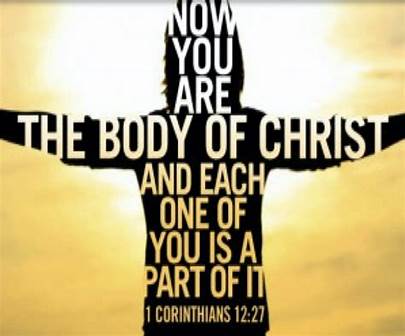
Therefore, what the Lord says is true. Let’s all cast our cares on him, as he is our great caretaker and caregiver. We are called to be free in Christ, the author and finisher of our faith.

“Now to him who is able to do immeasurably more than all we ask or imagine, according to his power that is at work within us, to him be glory in the church and in Christ Jesus throughout all generations, forever and ever! Amen.” (Ephesians 3:20-21)


Submission, Grace, and Forgiveness for Authority

Embracing 1 Peter 2 of the Bible can be a tough pill to swallow, yet it is forever necessary. Perhaps the hardest action within it is submitting to every human authority, not only the good and considerate, but those who are harsh. The Bible is very clear on this instruction in 1 Peter 2:13 and 18. Moreover, this behavior is deemed in the Bible as “for the Lord’s sake” and shows a “reverential fear” of God.

This passage of 1 Peter 2, starting at verse 11, urges us to abstain from sinful desires, and to live good lives so that people will see our good works that glorify God even though we might be accused of doing wrong. We’re told that in doing good, we silence the ignorant talk of foolish people. Also, it’s comforting to know that, the Bible tells us in 1 Peter 2:16 that we are to live as free people, but not to use that freedom to cover evil. Our aim should be to live fully submitted to God.

In addition, we’re encouraged to show “proper” respect for everyone. This entails: loving our family of believers, fearing or reverencing God, and honoring the “Emperor,” or for us today, the head of government. Further, we are shown in verse 20 that it is commendable before God if we suffer for doing good and endure it. And we all know that Christ modeled suffering well for us, that we might do the same.

Moreover, “He committed no sin and no deceit was found in His mouth.” (1 Peter 2:22) We are now encouraged to even love our enemies, bless them that curse us, do good to them that hate us, and pray for them which despitefully use and persecute us (Matthew 5:43–44).

Furthermore, the Bible reminds us that when people cast insults at Jesus, he didn’t retaliate, and when he suffered, he didn’t make threats. Who doesn’t know this to be a major temptation to threaten someone who is harassing you? It does indeed take a dying to self to act as the Lord did when encountering offenders or submitting to someone in authority who may be rude and prideful. Yet it may offer some solace to know the Bible tells us in Matthew 18:15-17 how to handle an offense among spiritual family:

““If your brother sins against you, go and tell him his fault, between you and him alone. If he listens to you, you have gained your brother. But if he does not listen, take one or two others along with you, that every charge may be established by the evidence of two or three witnesses. If he refuses to listen to them, tell it to the church. And if he refuses to listen even to the church, let him be to you as a Gentile and a tax collector.”

Well, we know how Jesus treated Gentiles and tax collectors–with grace and truth–remembering when, in one passage (Luke 3:12-13), we see Jesus instructing two tax collectors who came to be baptized, not to collect more money than was required. Also, in Matthew 9:9-13, we see Jesus choose Matthew, a tax collector seated at his booth, to follow Him as one in the first group of his disciples. So we still see the Lord offering a gracious chance for a relationship.

Further, we are reminded of God’s grace toward us in Romans 11:17, “And you Gentiles, who were branches from a wild olive tree, have been grafted in. So now you also receive the blessing God has promised Abraham and his children, sharing in the rich nourishment from the root of God’s special olive tree.”

Also, Romans 13 gives us a very clear view of the authorities that God has established and how we are to relate to them. We are told that there is no authority except that which God has established and those that exist were established by Him. As a result, if we rebel against them, we rebel against what God has instituted and bring consequences on ourselves. So, when all is said and done, we are given the freedom to decide if we will include God’s Holy Spirit and His principles in our choices.

In his mercy and wisdom, God allows us the ability to make choices in employment, homes (buildings, cities, states, countries), schools, spouses, churches, purchases, etc., and with those choices, the responsibility to submit to the authorities ruling those areas, thereby choosing our officials.

When there is error or negligence in those choices we’ve made, there is God-given wisdom available through the Bible, wise counsel, and prayer on how to rectify those situations. Sometimes the remedies may include separation or staying and making adjustments. Nevertheless, our actions should be in a spirit of honor and respect for God’s word in keeping the right attitudes and representing Him well. Though imperfect, we are not without hope or help.

Hence, all of these things assist us when contemplating the obedience required in submitting to those in authority over us. Thankfully, we can look to our Lord for help in carrying out his instructions remembering “He bore our sins in His body on the cross, so that we might die to sins and live for righteousness.” (1 Peter 2:24-25) We’ve been healed by his wounds so that though we were once going astray, we’ve now returned to the Shepherd and Overseer of our souls.

Now, submission is for all of us as Ephesians 5:21 tells us, “ Submit to one another out of reverence for Christ.” So, though it may be very difficult at times to follow Christ’s example of submission, we can do it. Let’s help each other through it!