
James 5:15
“And the prayer of faith will save the sick, and the Lord will raise him up.”

Imagine Jesus, in 2026, here in his physical body, healing someone from their illness. With joy, we can have expectancy of His help in such an event, as we see God’s desired results throughout the gospels. Perhaps sometimes we have not because we ask not. Or, maybe we believe we don’t deserve to be healed, or God doesn’t really want to heal us.
It is comforting to know that even though the Lord will sometimes take someone home to live with Him, He will, at many other times, allow others to be healed and remain a while longer. Of course, this may happen instantly or over time. Yet my point is Jesus is a healer, doesn’t want to see people sick, and demonstrated various types of healing when He walked the earth.
Jesus was a man of compassion, moved by the suffering of others, and being a man of great authority, he healed with a word, a touch, or even from a distance. He was a man who modeled Kingdom power, his miracles fulfilling prophecy, revealing who He was, the Son of God. He also highlighted the role of some people in instances where He told them their faith had healed them. Interestingly, in some places, He could do no great works because of their unbelief (Matthew 13:58 and Mark 6:5-6).
I thought to post about this topic today lest we forget God’s thoughts on sickness and healing. There is no sickness or disease in heaven, and Jesus told us the thief comes to steal, kill, and destroy, but Jesus came that we might have life, and life more abundantly (John 10:10). Hence, we should make no mistake who the thief is, satan, not God.
A few amazing accounts of Jesus healing in the Bible are:
- Healing 10 lepers (Luke 17:11–19). This was a dreadful, contagious disease that people seriously avoided. As the lepers called out to Jesus from a distance for pity, Jesus told them to go and show themselves to the priests, and while on the way, they were cleansed. Unfortunately, only one leper, a Samaritan (a foreigner), returned to thank Jesus. But Jesus assured him his faith had made him well.
- Healing the paralyzed man whose friends lowered him through a roof (Matthew 9:1–8; Mark 2:1–12; Luke 5:17–26). This was a bold act of persistence, which Jesus saw as faith shown in getting this man to Him.
- Healing the woman with an issue of bleeding for 12 years (Matthew 9:20–22; Mark 5:25–34; Luke 8:43–48). This woman believed that if she only touched his clothes, she would be healed. She did, and she was, instantly!
- Raising a man’s dead daughter to life (Matthew 9:18–26; Mark 5:21–43; Luke 8:40–56). Jesus came to the scene of people crying and wailing loudly about the death of Jairus’ daughter, and upon going in to see her with her parents and a few of his disciples, He took her by the hand and told her to get up, and she did, immediately. So many were blessed that day by this amazing act.
- Healing a mute, demon-possessed man (Matthew 9:32-34). Seeing the man delivered and speaking, the crowd, astonished, said they’d never seen anything like it in Israel.
- Healing a crippled woman bent over for 18 years (Luke 13:10–17). The Bible tells us this woman had been crippled, not being able to straighten up at all, by a spirit. He told her she was set free from her infirmity and placed his hands on her, and immediately she straightened up and praised God.
Jesus also performed mass healings where people were healed from every sickness and disease (Matthew 4:23–24; Matthew 9:35). Not to mention, there are so many more miracles that Jesus did that weren’t even recorded (John 21:25).
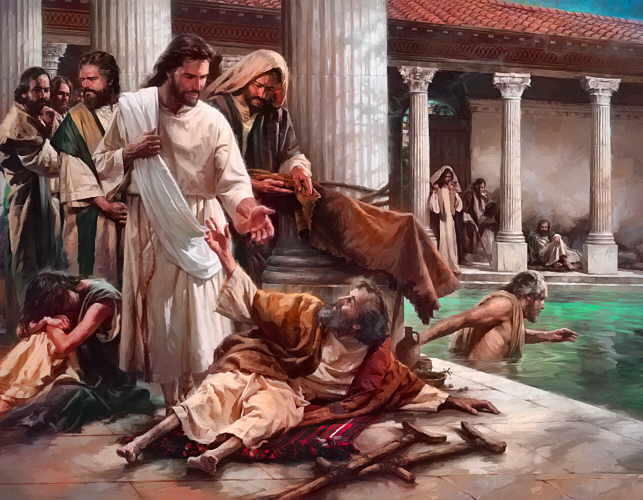
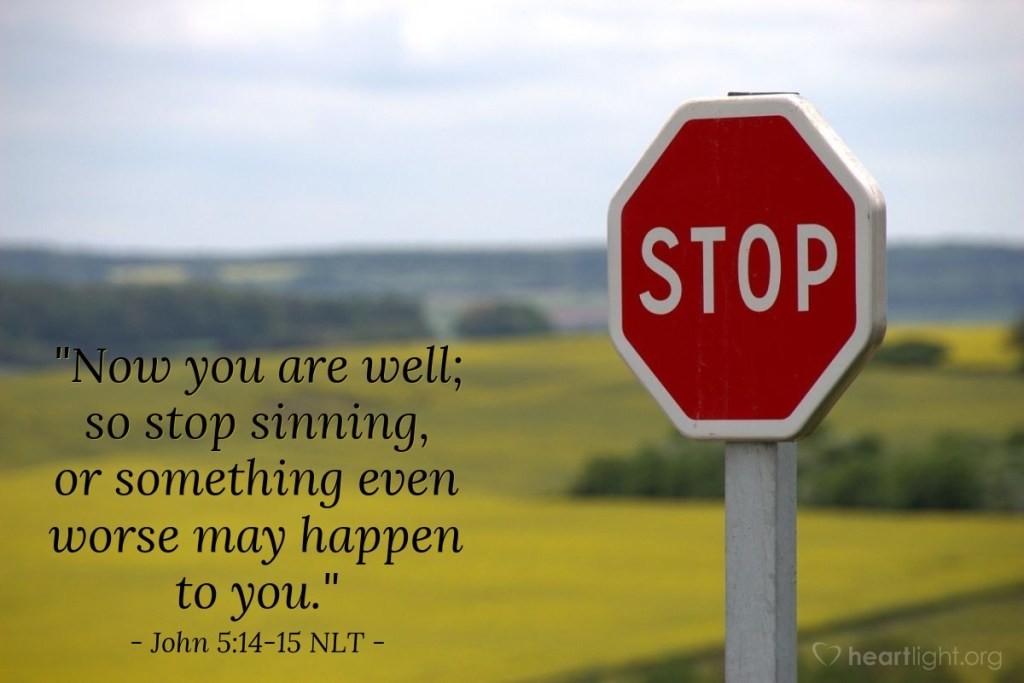
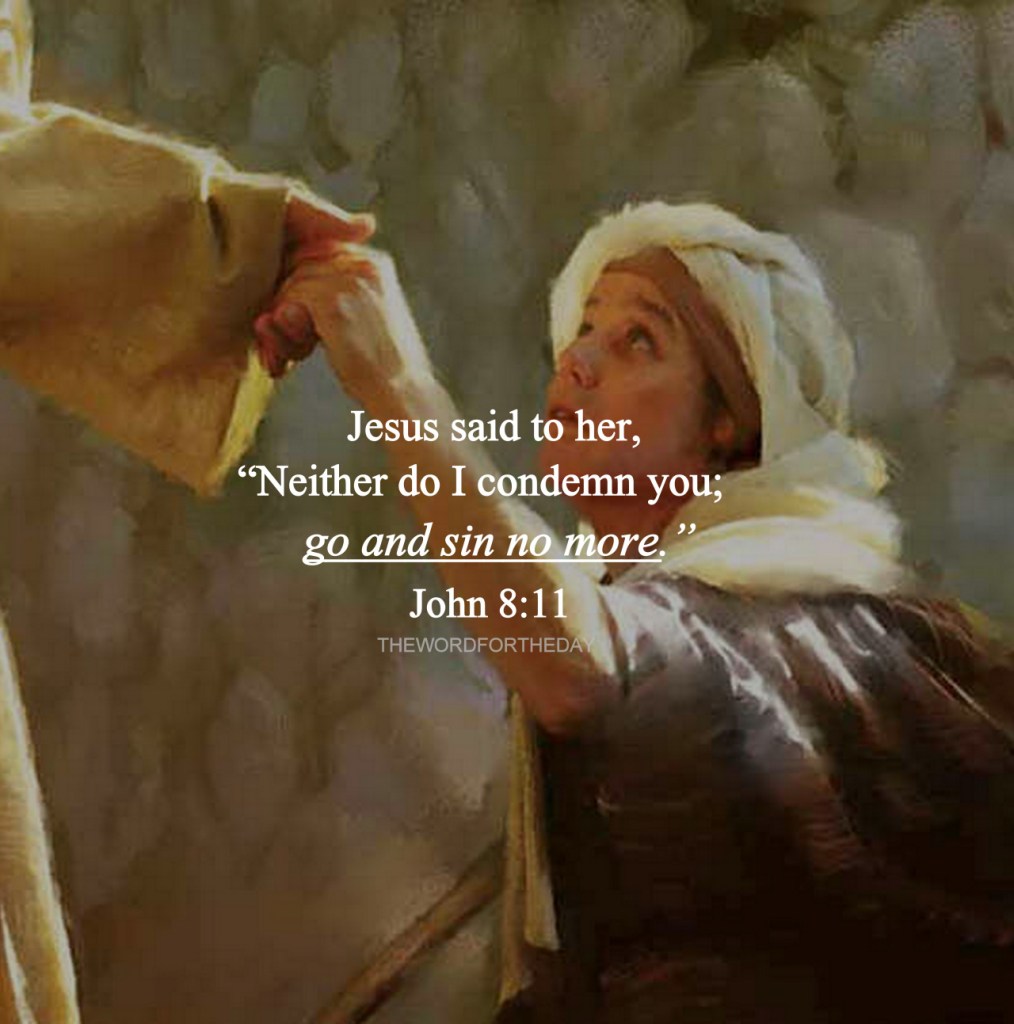
Jesus willingly and compassionately healed the lame, blind, cripplied and mute (Matthew 15:30). Yet I believe it’s also important to note that, in some instances, sin was related to a person’s need for healing or deliverance, and the Lord told them, once healed, to go and sin no more, or something worse would come upon them (John 5:14 and John 8:11).
Thankfully, “He himself bore our sins” in his body on the cross, so that we might die to sins and live for righteousness; “by his wounds you have been healed” (1 Peter 2:24). Aren’t you glad about it? Now we may call for the elders of our churches, or for other believers to pray prayers of faith (James 5:14-16) that we’d be healed. Just another wonderful thing our heavenly Father has done for us through His marvelous Son, Jesus!
We see in scripture, Jesus shared the blessing in healing, telling his disciples in Matthew 10:8 to “heal the sick and raise the dead,” stating “freely you have received, freely give.” He echoed His desire again in Mark 16:18, just before ascending into heaven, that one of the signs of those who believed would be that they would place their hands on sick people and they would get well. Let us thank the Lord for these beautiful blessings!




 Ms. Rita's Minute