
Daniel 10:12
“…Since the first day that you set your mind to gain understanding and to humble yourself before your God, your words were heard, and I have come in response to them.”
In today’s age of self-care, self-improvement, self-affirmation, and self-love, “self-estimation” came to mind. It is a word that is rarely used and relates to self-evaluation, where you consider your strengths and weaknesses. Self-estimation is the process of judging or assessing one’s own abilities, worth, or significance, and is the act of estimating oneself; self-esteem. So today, I’m considering humility of great value and worthy of further examination as to its role in the lives of God’s people.
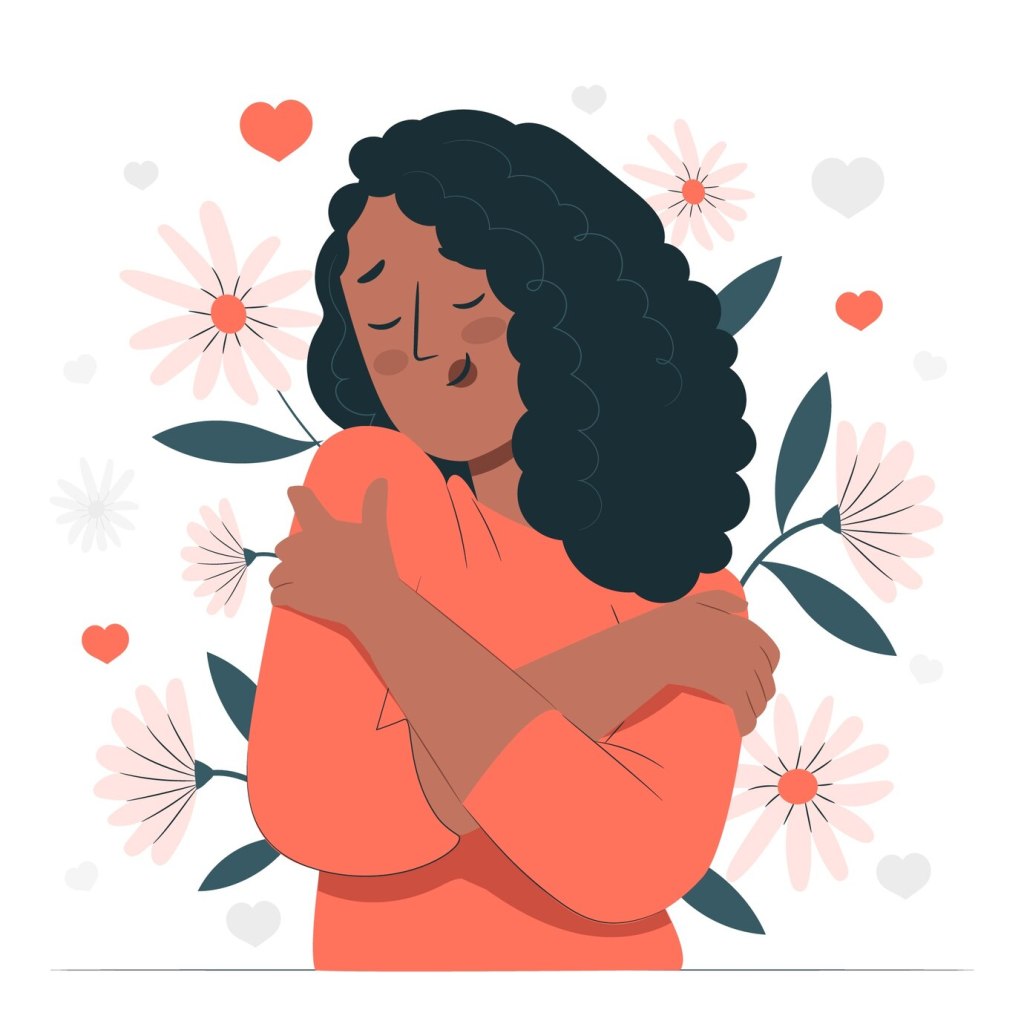
There is no doubt that traumas and setbacks have shaped many of us to think in a distorted way about ourselves. The thoughts we may have carried for years are thoughts that have caused some hindrances and challenges in our lives and proven to be ungodly and in need of uprooting to experience true freedom in life. Yet in getting wisdom and understanding, we must keep in mind humility: the attribute that God favors for us, which can sometimes be a force with which we often reckon.
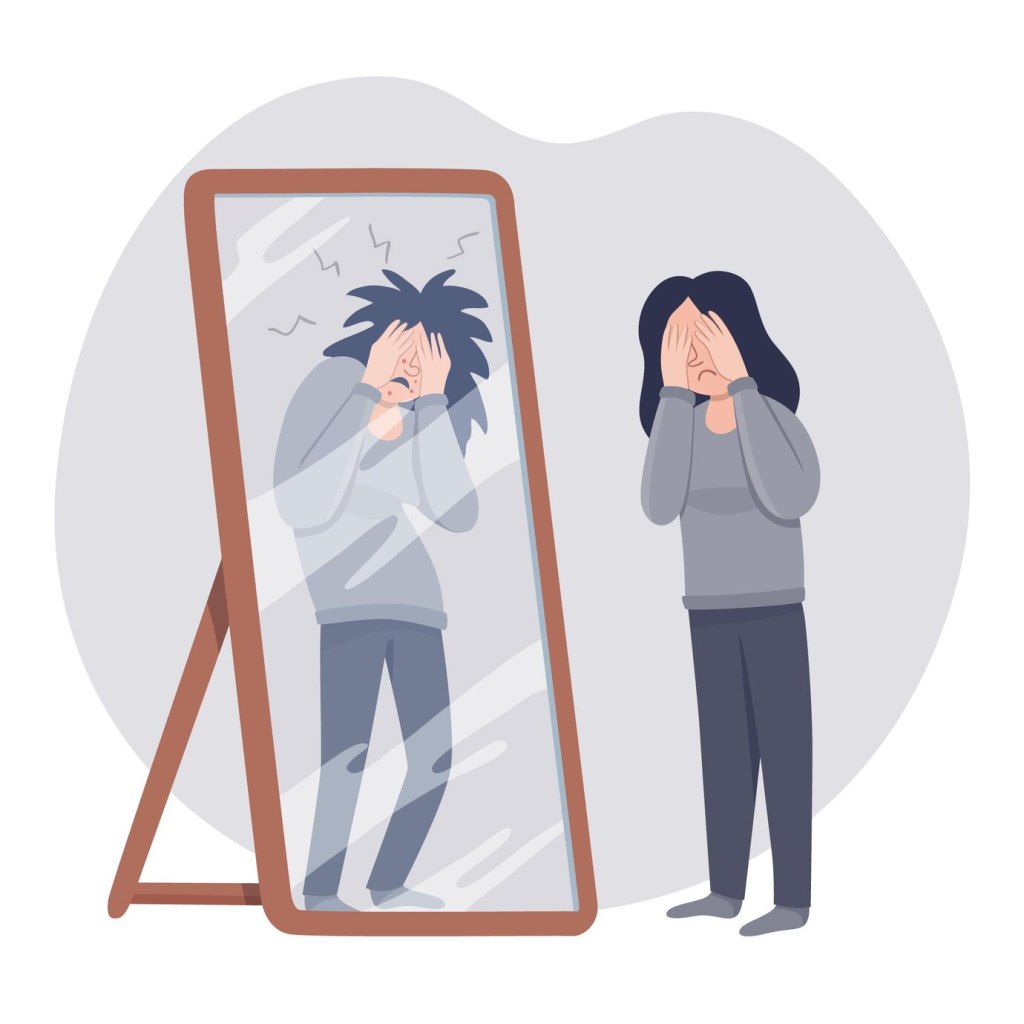
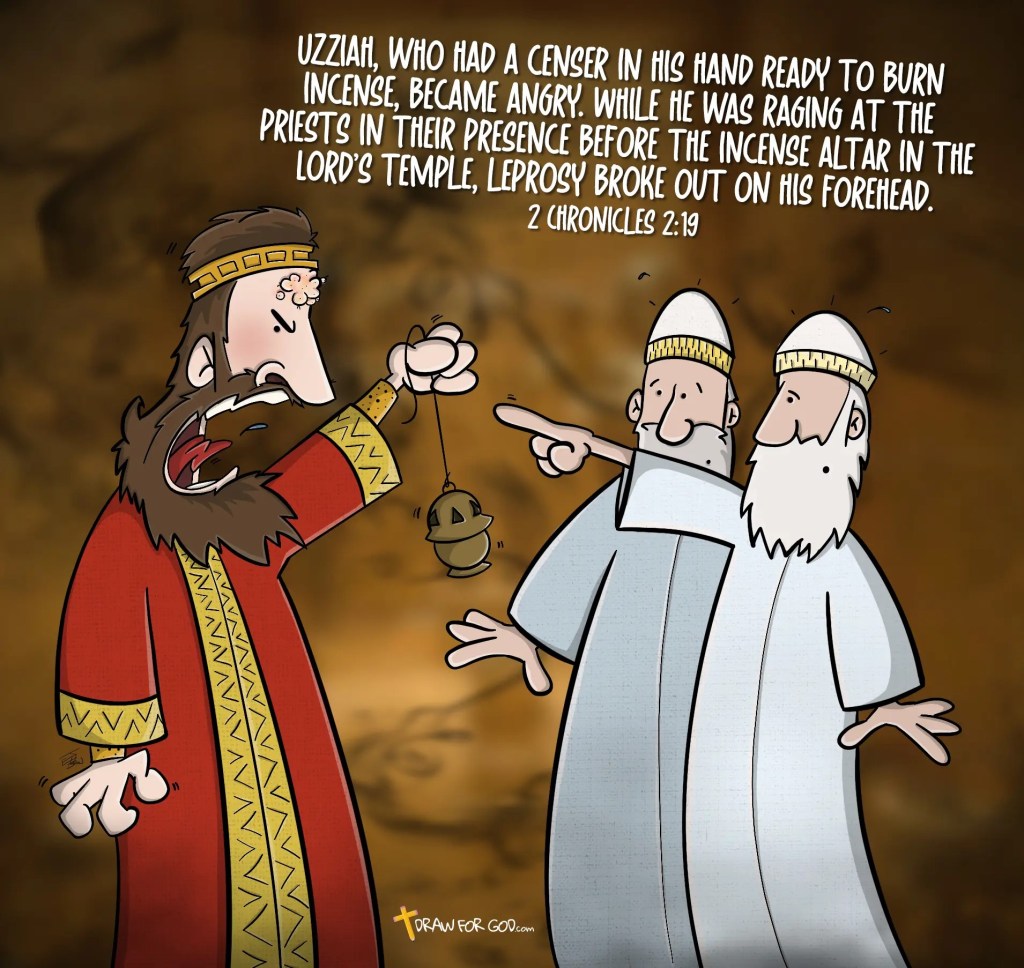
According to the Bible, this trait is shown to be of utmost importance as the consequences of not having it can bring about ruin. Humility is not discouraging or belittling, or thinking negatively of ourselves. But according to Romans 12:3, thinking of ourselves with “sober judgment” according to the faith God has distributed to each of us, and not “more highly” of ourselves than we ought.

Every time I think of humility, I think, and even ask God, that I would humble myself, and that He won’t have to do it. Somehow, I imagine it might be easier on me if I did the humbling. Nevertheless, Merriam-Webster also gives us a simple and clear definition of what humility is as well: “freedom from pride or arrogance; the quality or state of being humble.”
Understanding what pride and arrogance are helps us to avoid them–those attitudes of haughtiness, superiority, or pretentiousness, along with exaggerated self-importance and conceit. Although the Bible teaches us to love one another as we love ourselves, we need to have a healthy love and estimation of ourselves to be successful in doing so. Thankfully, the Bible in Philippians 4:8 reminds us to think on things that are true, noble, just, pure, lovely, good, virtuous, and praiseworthy. So it would be difficult to think negatively of ourselves if we use this measure.

A good way to check our own humility levels would be to check our Savior’s character. He told us in Matthew 11:29: “Take my yoke upon you and learn from me, for I am gentle and humble in heart and you will find rest for your souls.” The Lord lovingly teaches us with truth, yet he is kind and considerate. He is the most important person one can ever know, but as we see from his life through the Bible, He did not exert a snobbish self-importance, but was lowly, compassionate, and empathetic. These are great qualities to learn and practice.
The Bible reminds us in Matthew 23:12 that “those who exalt themselves will be humbled and those who humble themselves will be exalted.” Blessings for those who are meek are an inheritance of land and enjoyment of peace and prosperity (Psalm 37:11). Later in Matthew 5:5, Jesus reiterates that “the meek will inherit the earth.” The Greek definition for meek is translated as gentle or humble in English.
Moreover, the traits of a humble person are gratitude, patience, empathy, and self-awareness. A humble Christian is grateful, composed, and faithful to examine themselves to see whether they are in the faith; testing themselves, realizing that Christ Jesus is in them—unless they fail the test (2 Corinthians 13:5). Furthermore, as shown in Romans 12:16, we exercise humility when we live in harmony with one another, not being proud, but willing to associate with people of low position–not being conceited.

Shepherds or overseers of God’s people aren’t to lord it over those entrusted to them, but to be examples to them. Those who are younger are to submit themselves to their elders, clothing themselves with humility toward one another. Why? Because “God opposes the proud but shows favor to the humble” (1 Peter 5:5). When we humble ourselves before the Lord, he will lift us up (James 4:10). Psalms 149:4 tells us the Lord crowns the humble with victory!
There are other scriptures in the Old and New Testaments regarding humility. So, with such amazing scriptures on humility, there are enough to decipher what it looks like. Often, someone else’s opinion of what humility should look like on you may not match, so it’s best to know specifically what the Bible says about being humble or meek. Measure yourself by the Bible so as not to be deceived by some other unhealthy opinion.
We should not forget that “By humility and the fear of the Lord are riches and honor and life” (Proverbs 22:4). Not to mention, “Lord, you have heard the desire of the humble; you will prepare their heart; you will cause your ear to hear” (Psalm 10:17).


 Ms. Rita's Minute