I wanted to take a minute to remind you all not to worry about anything today. My prayer is that you would rest in the reality that God sees you, is with you, will never leave you, and knows all about you. At your worst, or your best, He sees you and wants you to know He is there and He cares. “In him we were also chosen, having been predestined according to the plan of him who works out everything in conformity with the purpose of his will…” (Ephesians 1:11)
At times it may seem like He doesn’t exist because you don’t actually see Him with your physical eyes, but you know by faith and in your soul and spirit that He’s real. When things go wrong you may feel like He’s absent, yet He’s still there and knows everything about it all. David said it wonderfully in Psalms 139:2-4, “You know when I sit and when I rise; you perceive my thoughts from afar. You discern my going out and my lying down; you are familiar with all my ways. Before a word is on my tongue you, Lord, know it completely.”
Further, we should not forget the words of the Bible spoken regarding Israel and Abraham’s descendants (that would be us who belong to Christ as well, per Galatians 3:29): “So do not fear, for I am with you; do not be dismayed, for I am your God. I will strengthen you and help you; I will uphold you with my righteous right hand.” (Isaiah 41:10)
Hopefully, you are comforted by the fact that our God is omniscient (all-knowing), omnipresent (everywhere), and omnipotent (all-powerful). Now who wouldn’t want a father or God like that? If we truly take the time to ascertain the reality of what this means, we should feel more confident, and less alone in any endeavor or encounter we may face. He’s always there whether we want Him to be or not.
Thankfully, He makes himself known to us in various ways. We may hear about him from the Bible through ministers or our personal study, or those special supernatural ways He might choose to make Himself tangibly felt. Perhaps at certain times you might feel a warmth or peace, or hear blessed words of affirmation or instructions in your heart. He’s always communicating something to us–even the smallest things–if we are open to receiving from Him.
Moreover, though we may not want Him to be bothered, the Lord tells us to ask Him for what we desire. He’s not opposed to this. He actually encourages it. Hold close Matthew 7:7-11: “Ask and it will be given to you; seek and you will find; knock and the door will be opened to you. For everyone who asks receives; the one who seeks finds; and to the one who knocks, the door will be opened.
“Which of you, if your son asks for bread, will give him a stone? Or if he asks for a fish, will give him a snake? If you, then, though you are evil, know how to give good gifts to your children, how much more will your Father in heaven give good gifts to those who ask him!”
“Do not be afraid of those who kill the body but cannot kill the soul. Rather, be afraid of the One who can destroy both soul and body in hell.” (Matthew 10:28/NIV)
Fear–a spirit all Christians have struggled with from time to time–can cause spiritual, mental, and physical problems in our human bodies. We are told not to embrace it as God hasn’t given it to us: “For God has not given us a spirit of fear, but of power and of love and of a sound mind.” (2 Timothy 1:7/NKJV). However, a reverential fear or respect should be shown toward the Almighty God who has all authority and power to give and take life.
In a world where the threat of danger is somewhat constant, and we aren’t promised tomorrow, the Bible assures security in a sincere, eternal relationship with the Lord. With this in mind, we should remember God’s ability to protect, as well as destroy.
2 Thessalonians 3:3/NIV tells us “…the Lord is faithful, and he will strengthen you and protect you from the evil one.” Further, “We know that anyone born of God does not continue to sin; the One who was born of God keeps them safe, and the evil one cannot harm them.” (1 John 5:18/NIV) Not to mention Luke 10:19/NIV, “Behold, I have given you authority to tread on serpents and scorpions, and over all the power of the enemy, and nothing shall hurt you.” These scriptures should be read more fully in their context, but their meaning is evident.
The Old Testament has too many scriptures to mention here on God’s protection, though I would recommend you research and enjoy reading them. Nevertheless, Jesus makes clear that though His followers may face danger in this world, our focus should be on Him and not fearing danger.
I find it helpful to study the names of God. In them, we find great power and character that provides comfort in our connection to such an awesome person. I especially like that He is Jehovah Machsi (the Lord My Refuge), Jehovah Mauzzi (the Lord My Fortress), Jehovah Magen (The Lord My Shield), and Jehovah Mephalti (the Lord My Deliverer). There are many more names, after which studying fills one with faith and hope.
One can be tempted to fear when we can’t see our help with our physical eyes. However, this is where our faith, per Hebrews 11:1, is “the substance of things hoped for, the evidence of things not seen.” We must be humble enough to depend upon the Bible’s promises and to ask for the Lord’s help in prayer.
An in-depth biblical study of who our Father, His Son, and the Holy Spirit are, makes us familiar with, and confident in, the One on whom we place our focus for a peaceful life, free from the fear of man.
In these last days, we have been given a way of deliverance that guarantees eternal life and blessings for us here now and in the future. That would require turning from living a lifestyle of sin and believing in the Lord Jesus Christ as the Son of God and Savior of men. We are so blessed to have this option for living and millions of us all over the world have benefited in choosing this Way to heaven.
As you study the Bible and renew your mind with God’s will and ways, remember we don’t have to fear danger or death, as we have the promise of God never leaving us as well as eternal life with Him when our time to leave this earth arrives.
It is also helpful to remember that the Bible explains so many exciting events that are still yet to happen, namely, the fact that God will create a new heaven and new earth. In any event, whether we live long or pass soon, we win being children of God.
At least five years ago, I thought something to myself that I had no idea Jesus would address. I thought to myself, “How would Jesus appear today, on the earth? What exactly would he wear, and where would he go?” The very next night, if not that same night, I had a very vivid dream.
I was in what looked like a welcome center of a modern church. There were at least about 20 people in the area and they were all talking to one another, with one specific group of about six people surrounding one person. I slowly walked over to them to see if I could catch a glimpse of that person and recognized a very strong, and tangible, anointing. The closer I got to that one person, the more each person around him walked away until I stood face to face with a young man who I knew was Jesus Christ of Nazareth in modern-day attire. There was no question as the anointing was so powerful. I could not believe my eyes.
Was I really standing before the Son of God in very casual street clothes? If my memory serves me correctly, He had on a light blue, buttoned-down, striped shirt with loose-fitting blue jeans–very casual. I didn’t notice his shoes, at least I don’t even think I saw them.
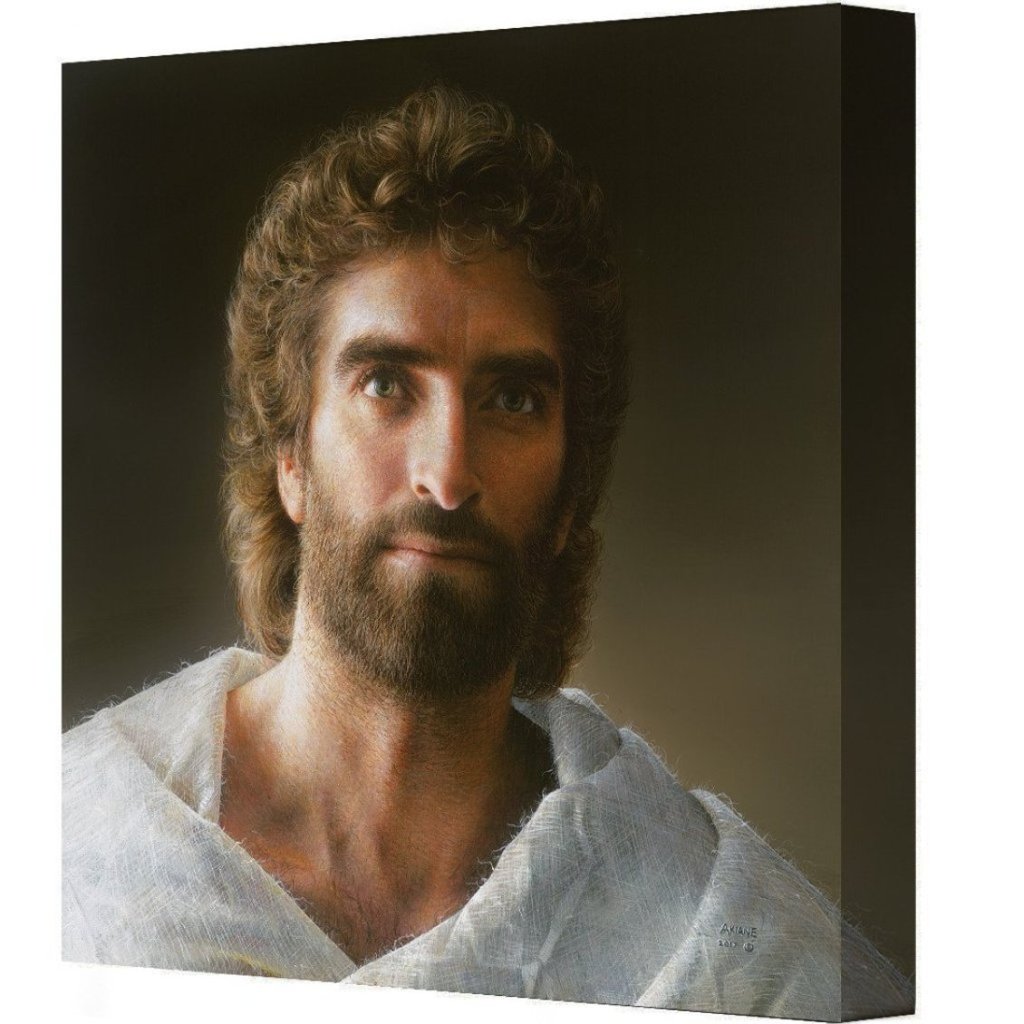
Now I believe Jesus can look any way he wants to look and can change his appearance if He desires, but the first thing I thought was how young He looked. I often imagine him looking closer to 40, but he looked like he was in his late 20s or early 30s. He appeared to be about 5 feet 10 inches tall, as it appeared I was looking directly into his face. He had a fairly long nose and almond-shaped eyes, with an olive-toned complexion. The thing that stood out most to me was his hair. It was reddish brown, full, and had large layered curls. I remember thinking he had hair that looked like he’d been to a salon. It was so perfect, it actually reminded me of a woman’s hair. However, I’ve seen some Italian men with this same kind of hair. It was not long but was not super short either–about 2.5 inches long.
As time has passed it is very hard to remember the Lord’s exact facial features, but the closest likenesses I’ve been able to find would be a combination of these two photos:
I was so nervous to even look at him as I kept thinking of who He actually was. It seemed I’d lost all sense of the English language. Surely He would see everything about me from birth: the good, the bad, and the ugly. How could I even look so easily into His holy face? I could barely get out so foolishly, “I can do something for you?” “Ugh, I thought, that didn’t come out right!” And he answered very calmly, “It’s already been done.” “Huh? Already been done?” This was not the answer I was expecting. What did he mean already been done? His death and resurrection? Was that it? I know that’s a lot, but I was referring to me. What did I need to do? Surely there was something He needed me to do. I mean I’ve done some things in my life, but nothing compared to what I think He must prefer me to do. And now I’m hearing it’s already been done?
He then proceeded to walk over to an empty table that was white and looked exactly like a school lunch table. There sitting alone was an older man who looked anywhere from 70 to 80 years of age. He looked very disheveled, maybe homeless, and very depressed. I’ll never forget how he looked so sad and broken and no one sat with him or talked to him. Jesus went over and was just about to sit with him when my dream ended. I thought, “That would be Jesus, always caring and compassionate toward those we might least think to engage first.”
I still think of this dream from time to time and upon trying to make some sense of Jesus’ words, I remembered John 6:28-29: Then they asked him, “What must we do to do the works God requires?” Jesus answered, “The work of God is this: to believe in the one he has sent.” This always baffles my brain as I feel like God is worthy of so much from us. Nevertheless, I fall short of delivering all that He deserves, but will continue to praise Him for all He is and all He does.
Now it’s obvious the Bible has given us all kinds of teachings regarding God’s standards for Christian living as born-again believers, as well as the consequences of sin. Yet we still have the privilege of the remarkable scriptural realities that:
“For God so loved the world that he gave his one and only Son, that whoever believes in him shall not perish but have eternal life.” (John 3:16)
“For it is by grace you have been saved, through faith—and this is not from yourselves, it is the gift of God— not by works, so that no one can boast. (Ephesians 2:8-9)
“Therefore, there is now no condemnation for those who are in Christ Jesus, because through Christ Jesus the law of the Spirit who gives life has set you free from the law of sin and death.” (Romans 8:1-2)
“And if by grace, then it cannot be based on works; if it were, grace would no longer be grace.” (Romans 11:6)
“But because of his great love for us, God, who is rich in mercy, made us alive with Christ even when we were dead in transgressions—it is by grace you have been saved.” (Ephesians 2:4-5)
In addition, I’d be wise to remember:
“For the grace of God has appeared that offers salvation to all people. It teaches us to say “No” to ungodliness and worldly passions, and to live self-controlled, upright and godly lives in this present age,..” (Titus 2:11-12)
“For it is not those who hear the law who are righteous in God’s sight, but it is those who obey the law who will be declared righteous.” (Romans 2:13)
“You have been set free from sin and have become slaves to righteousness.” (Romans 6:18)
“But now that you have been set free from sin and have become slaves of God, the benefit you reap leads to holiness, and the result is eternal life.” (Romans 6:22)
“You, my brothers and sisters, were called to be free. But do not use your freedom to indulge the flesh; rather, serve one another humbly in love. For the entire law is fulfilled in keeping this one command: “Love your neighbor as yourself.” (Galatians 5:13)
“Live as free people, but do not use your freedom as a cover-up for evil; live as God’s slaves.” (1 Peter 2:16)
God is so good that He is ever compassionate, merciful, and kind. “Praise be to the God and Father of our Lord Jesus Christ, who has blessed us in the heavenly realms with every spiritual blessing in Christ.” (Ephesians 1:3)
I thought this week how awesome it is to be viewed by God as blameless. I understand this word to be defined as someone who can’t be accused of doing wrong or who walks faithfully with God.
Its Hebrew word is tamiym, meaning without defect, innocent, guiltless, or inculpable. Also, naive, whole, honest, and simple. The Greek word is amemptos, which is free from fault or defect, or without blame.
We know the stories. These are some people who God described as blameless: Noah (Genesis 6:9), Job (Job 1:1), David (2 Samuel 22:21–26), and Elizabeth and Zechariah (Luke 1:5-7). David was even described as a man after God’s own heart. These folks were human, as we all are, yet they possessed the qualities of a blameless person.
We know Noah as the man God tasked with the job of building a huge ark as protection from a massive flood that would overtake the earth.
Job was the man whom God highlighted to Satan regarding his impeccable character. Yet he was tested and lost everything he had, but remained faithful to God, later receiving even more than was lost.
Then there is David, who among other things, was a committed worshipper of God, full of faith in God’s word and protection.
Elizabeth was a descendant of Aaron, and Zechariah, a Levitical priest. Elizabeth and Zechariah were a couple who were faithful to God and prayed for many years to have a child. However, they weren’t able until God blessed them with a son, named John, a great prophet who would preach about Jesus Christ, the Son of God to make people ready to receive Him.
What I’ve gleaned from reading about these blameless people of faith and commitment is that they were rewarded with great blessings from the Lord for their obedience.
God saved Noah and his family from the horrendously destructive flood, made his family fruitful, and received Noah’s worship, restoring God-fearing worship to the people of the earth.
David reigned as king of Judah and Israel for 40 years. He was a powerful and successful military leader, who had a son named Solomon who is described as the wisest man of the bible.
Elizabeth and Zechariah, after the angel Gabriel’s visit and message, and many years of prayer, finally received the baby they had prayed for–though naturally–Elizabeth was not able to conceive, and the King James version of the Bible describes them both as “very old.”
Fast forward to today, as those who choose to love the Lord, we have some scriptures we can faithfully hold close, as we await meeting Jesus face to face:
“He will also keep you firm to the end, so that you will be blameless on the day of our Lord Jesus Christ. God is faithful, who has called you into fellowship with his Son, Jesus Christ our Lord.” (1 Corinthians 1:8-9)
“So then, dear friends, since you are looking forward to this, make every effort to be found spotless, blameless and at peace with him.” (2 Peter 3:14)
This is how love is made complete among us so that we will have confidence on the day of judgment: In this world we are like Jesus.” (1 John 4:17)
Amen! Let’s study the bible to find out what Jesus looks like and make the effort stated, to be found blameless in His sight.
“Down through the years, I turned to the Bible and found in it all that I needed.” ― Ruth Bell Graham
Life is good and life is wonderful, but as we’ve probably learned, a godly life does not totally exempt us from challenges or problems.
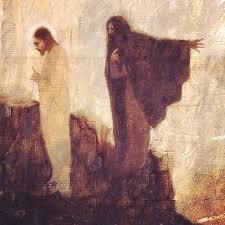
Thankfully, our difficulties help allow us to experience God as our refuge and deliverer from the temptations, trials, and troubles that seek to make us fearful and ashamed. Just as Jesus received God’s deliverance from the devil’s temptations with the speaking of our Father’s scriptures, we can also do the same. What’s good is Jesus was ministered to afterward as often we are. This confirms that God is not far from us and His power is great.
Lovingly, He has provided us with His scriptural warnings so that we are helped more than hurt when life gets tough. Proverbs 26:24-28 is a passage of warning that presents a disturbing reality of the deception of those who pretend to be our friends but are not:
“Enemies disguise themselves with their lips, but in their hearts, they harbor deceit. Though their speech is charming, do not believe them, for seven abominations fill their hearts. Their malice may be concealed by deception, but their wickedness will be exposed in the assembly. Whoever digs a pit will fall into it: if someone rolls a stone, it will roll back on them. A lying tongue hates those it hurts, and a flattering mouth works ruin.”
These words weren’t written to be scary or negative, but in love to warn God’s people of the craftiness of deception. Deception is not easily seen as it is masked. Therefore, don’t expect it to be openly recognizable. It looks and sounds wonderful and accommodating. However, we need the Lord’s discernment working in us to detect that which is not obvious and well hidden.
Deception is real and can be discerned by the Holy Spirit through our own spirits and through the study of the Bible. Yet sometimes we choose not to trust our discernment, but believe the lie for any number of reasons. May God give us the courage to use the wisdom He’s given us to adjust our lives accordingly.
The Christian life has many blessings. However, there are those things we must be warned about that can be harmful to us if disregarded. God has warned us of these issues in Scripture. So we must not forget His instructions as they serve to protect us from unnecessary trouble.
There are many warnings given to us in the Old and New Testaments of the bible. A few of them:
Forgetting God – Deuteronomy 8:10-20
Foolishness – Proverbs 6:1-19
Adultery – Proverbs 6:20-35
Adulterous Woman – Proverbs 7:1-27
Trusting in Riches – Proverbs 11:28
Hypocrisy – Matthew 6:1
Unforgiveness – Matthew 6:15
Worry – Matthew 6:25
False Prophets – Matthew 7:15
Teachings of the Pharisees and Sadducees – Matthew 16:12
Deception – Matthew 24:4
False Christs – Luke 21:8
Spiritual Drunkenness – Luke 21:34
False Doctrine – Romans 16:17
Consequences of Evil Deeds – 1 Corinthians 10:1-13
Unwise Living – Ephesians 5:15
Lukewarm Christianity – Revelation 3:15-19
Warnings help to keep us from spiritually or physically injuring ourselves. We need them to keep us on the narrow path toward heaven. Whether we get these warnings through the Bible, the Holy Spirit’s promptings, or a God-fearing friend, we should appreciate them. They are not meant to harm us though sometimes we may feel uncomfortable receiving them. Also, we show love when we care enough to caution to others.
In any event, Jesus reminds us that nothing hidden will remain secret. So we can trust the faithfulness of His Holy Spirit to “lead us into all truth.” (John 16:13)
I’m thankful for the Lord’s grace in providing us with His teachings on wisdom and the blessings and consequences of accepting or rejecting them. We see in the book of Proverbs many references to wisdom and its effect on those who evade, or walk, in it.
One reference stands out to me: “For the waywardness of the simple will kill them, and the complacency of fools will destroy them; but whoever listens to me will live in safety and be at ease, without fear of harm.” (Proverbs 1:32-33) I remind myself that I actually believe these verses of scripture, or I don’t.
I’m imagining those times when a parent may tell their little one not to do something. Yet at their child’s own desire, they proceed to do the very opposite only to find the results to be painful. Most parents, of course, then feel some measure of sadness but are quick to remind their children “I told you so.”
When Proverbs 1:32-33 talks about waywardness in Hebrew, it is defined as away, as in going away or backsliding. Complacency is described as tranquility, all is good (when it really isn’t), no concern for harm, and carelessness.
Sometimes, offense, grief, the lust of our eyes, or the pride of life may cause us to act out in unhealthy ways to appease our own selfish cravings. Not stoking the fires of our passions toward the Lord’s will for us can cause us to lean more toward carnality and worldly desires.
We must seek the Lord’s help in prayer, and welcome encouragement from the Body of Christ, a huge help for us.
Moreover, safety is defined as security, peace, quiet, comfort, and confidence, while harm is defined as damage, injury, and loss. Most of us would welcome the former over the latter results. So, this passage provides a clear explanation of the outcome of embracing or ignoring wisdom.
At certain points in our lives, we all experience wisdom’s call in navigating various circumstances. Nevertheless, sometimes we refuse to listen and disregard the advice given. The Bible tells us the results can be disaster, calamity, distress, and just plain trouble. This is described scripturally as hating knowledge and choosing not to fear the Lord. Ignoring the Lord’s advice, which is His help, we incur the fruit of our own wrong choices.
As the Lord makes His teachings available to us, and we decide to disregard His instructions, we are admonished to pay attention, and repent, and He will pour out His thoughts to us (Proverbs 1:23).
Chapters 2 and 3 of the book of Proverbs provide the benefits and well-being of receiving and living in God’s wisdom: success, protection, understanding, health, peace, prosperity, and long life.
It is to our great advantage to keep wisdom, understanding, sound judgment, and discretion before us. These things are important because they are life for us. When we are wise, we inherit honor, but fools get only shame.
More reading: Psalm 25:12; Psalm 112:1-8; Proverbs 1:20-31
Though I am grateful for all of the ways the Lord continues to provide financial abundance to His people, I’m reminded to embrace His perspective on the value of money. Almighty God who has all power and authority understands well what’s most important as relates to resources for His children. He has promised throughout the Bible to take good care of His own and encourages us not to worry about things such as what we’ll eat or wear.
Knowing who God is as much as we are able, should help us to feel a great measure of confidence in His care for us, as His children. He knows our propensity towards greed and misunderstanding of what is most important in our lives. As such, He tells us in Matthew 6:19-24 not to store up for ourselves treasures on earth, where moths and vermin destroy, and where thieves break in and steal, but to store up for ourselves treasures in heaven, where those things can’t reach them.
He also tells us that where our treasure is, our heart will be also. So one thing we can gather from this is our focus will be on where we’ve placed our treasure. Is it on heaven or earth?
The Lord goes on in this passage to remind us of the importance of our eyes as they are the lamp to our bodies and their health will determine the health of our body. How and what are we seeing: darkness or light? Are we discerning who we are actually valuing most: money or God? I have to ask myself this question often. We’re reminded we can’t serve both (which I’ve sometimes been inclined to wonder why not?) God answers we will be devoted to one over the other. If we have two masters, one will get more attention than the other. One will be loved more than the other. Same with God and money.
I asked God what it actually means to serve money, and He immediately led me to Luke 12:21: “This is how it will be with whoever stores up things for themselves but is not rich toward God.” This was the result of the parable of the rich fool in Luke 21, who had such an abundant harvest thought, that he had no place to store his crops. So, after reaching a great increase, he’d tear down barns he had, build larger ones, then after years of great increase relax, eat, drink, and be merry–yet only to die unexpectedly.
So, it is to our advantage to remember that “A faithful man will abound with blessings, but whoever hastens to be rich will not go unpunished.” It may not be held as the most popular wisdom of today, but Jesus warned us in Luke 12:15, to “Watch out! Be on your guard against all kinds of greed; life does not consist in an abundance of possessions.”
Thankfully, God has also provided wisdom in his word about saving money and how one should give:
“Wealth gained hastily will dwindle, but whoever gathers little by little will increase it.” (Proverbs 13:11)
“Now about the collection for the Lord’s people: Do what I told the Galatian churches to do. On the first day of every week, each one of you should set aside a sum of money in keeping with your income, saving it up…” (1 Corinthians 16:1-2)
“For if the willingness is there, the gift is acceptable according to what one has, not according to what one does not have. Our desire is not that others might be relieved while you are hard pressed, but that there might be equality.” (2 Corinthians 8:12-13)
“Remember this: Whoever sows sparingly will also reap sparingly, and whoever sows generously will also reap generously. Each of you should give what you have decided in your heart to give, not reluctantly or under compulsion, for God loves a cheerful giver.” (2 Corinthians 9:6-7)
Though people within and outside the Body of Christ have debated long, with scriptures, over the paying of tithes today, we see that God has a great love for His church and we should be willing to support it.
“Bring the whole tithe into the storehouse, that there may be food in my house. Test me in this,” says the Lord Almighty, “and see if I will not throw open the floodgates of heaven and pour out so much blessing that there will not be room enough to store it.” (Malachi 3:10)
““Woe to you, teachers of the law and Pharisees, you hypocrites! You give a tenth of your spices—mint, dill and cumin. But you have neglected the more important matters of the law—justice, mercy, and faithfulness. You should have practiced the latter, without neglecting the former.”
“Jesus sat down opposite the place where the offerings were put and watched the crowd putting their money into the temple treasury. Many rich people threw in large amounts. But a poor widow came and put in two very small copper coins, worth only a few cents. Calling his disciples to him, Jesus said, “Truly I tell you, this poor widow has put more into the treasury than all the others. They all gave out of their wealth; but she, out of her poverty, put in everything—all she had to live on.”(Mark 12:41-44)
Another observation I’ve made in scripture regarding giving is God’s strong passion for poor people:
“Then Jesus said to his host, “When you give a luncheon or dinner, do not invite your friends, your brothers or sisters, your relatives, or your rich neighbors; if you do, they may invite you back and so you will be repaid. But when you give a banquet, invite the poor, the crippled, the lame, the blind, and you will be blessed. Although they cannot repay you, you will be repaid at the resurrection of the righteous.” (Luke 14:12-14)
Whoever oppresses the poor shows contempt for their Maker, but whoever is kind to the needy honors God. (Proverbs 14:31)
The generous will themselves be blessed, for they share their food with the poor. (Proverbs 22:9)
Those who give to the poor will lack nothing, but those who close their eyes to them receive many curses. (Proverbs 28:27)
In any event, God has given us many teachings on money and perhaps one of my favorite verses on it is, “Keep your lives free from the love of money and be content with what you have, because God has said, “Never will I leave you; never will I forsake you.” (Hebrews 13:5) This means we’re set and don’t really have a care in the world. The Creator of heaven and earth is with us. We simply have to believe it!
Now I must mention that in this day and age, as was in the past, there are many charlatans, false prophets, and wolves in sheep’s clothing who use methods of intimidation, manipulation, and deception to steal from God’s people. However, again, remembering who is with us, listening to the Holy Spirit’s voice, and availing ourselves of God’s wisdom and knowledge through prayer and Bible study, will keep us in the way of truth.
In this, I’m also reminded of Matthew 23:1-3: “Then Jesus said to the crowds and to his disciples: “The teachers of the law and the Pharisees sit in Moses’ seat. So you must be careful to do everything they tell you. But do not do what they do, for they do not practice what they preach.” Reading this, it may be that we have some questionable leaders sitting in Moses’ seat in our churches. However, even when giving to God via those who may be hypocrites, as we receive the authentic word of God’s Bible from them, He will reward our actions of obedience.
In our giving we can rest assured that according to 2 Corinthians 9:10-11, “…he who supplies seed to the sower and bread for food will also supply and increase your store of seed and will enlarge the harvest of your righteousness. You will be enriched in every way so that you can be generous on every occasion, and through us your generosity will result in thanksgiving to God.”
Our aim is a simple instruction in Luke 6:38: “Give and it will be given unto you pressed down shaken together and running over will men give unto your bosom.”
To all of this, my reply would be, Lord, “turn my heart toward your statutes and not toward selfish gain.” (Psalm 119:36)
When we’re watching something or someone, we’re intently looking, paying close attention to our object of focus. Jesus tells us in Luke 12:37, “It will be good for those servants whose master finds them watching when he comes.” Interestingly, He goes on to tell us, “Truly I tell you, he will dress himself to serve, will have them recline at the table, and will come and wait on them.”
Yeshuaschildart.com
A part of being ready is “watching”; the Greek word, grēgoreō or grēgorountas, which indicates staying awake; being alert, and in constant readiness; while the word luchnos is the Greek word for lamps, as in portable lamps. While watching we are waiting and make ourselves “ready” by keeping our “lamps” burning. Lamps of that day were kept burning with oil.
Oil in the Bible represents the Holy Spirit. We are to be the containers that hold the oil the Father provides. So, we should remember to stay alert and keep our lamps in good working condition. When our bridegroom comes, He will then recognize that oil within us.
A notable passage regarding lamps and oil in Matthew 25:1-13 is the parable of the ten virgins, five wise and five foolish. Upon going to meet their bridegroom, the wise virgins took their lamps as well as oil in jars for the lamps. The foolish virgins only took their lamps. They fell asleep waiting for the bridegroom as he took a long time to come. However, at midnight a voice cried out the bridegroom had arrived and to come out to meet him.
Ten Virgins by George Cocco
All the virgins awoke and trimmed their lamps while the foolish virgins asked the wise ones for some of their oil as their lamps were going out. But the wise ones declined telling them there might not be enough to do so and to go and buy some oil from those who sold it. While the foolish virgins went to buy oil, the bridegroom came and the virgins who were ready went into the wedding banquet with Him, and the door was shut.
Later, the foolish virgins came crying out for the bridegroom, “Lord, Lord, open the door for us,” but He answered, “Truly, I tell you, I don’t know you.” The parable ends with the warning to “keep watch because you do not know the day or the hour.”
Freepik.com
Jesus tells us in Luke 12:35-36, that like servants waiting for their master to return, we need to be dressed and ready so that when he comes, we can “immediately open the door for him.” But how are we to be dressed? Naturally, when we get dressed, we assess where we are going, what we’ll be doing, and what type of attire the event will require. Then, we assemble those items and clothe ourselves appropriately.
When we are dressed for the Lord’s service, we ascertain what is required for that service and clothe ourselves as such. The Bible tells us what kind of clothes the Lord desires when it says in Colossians 3:14 to put on love. Colossians 3:12 tells us to clothe ourselves with compassion, kindness, humility, gentleness, and patience. We’re also told in 1 Timothy 2:10, that as women, we are to be adorned with good deeds, appropriate for women who profess to worship God.
Most likely, we all know what it’s like to have someone visit unexpectedly. If we had no idea they were coming, there’s a good chance we may not be dressed, and if we aren’t especially neat, our living room may not be pleasantly comfortable to receive guests. So with the future event of the Lord’s return, we are blessed to be ready at all times as Jesus will come at an hour when we don’t expect him (Luke 12:40).
People seek happiness or “the good life” in many things. However, according to God’s wisdom, only a few things are required to achieve it.
If we truly desire a full life of peace, success, favor, and good health, here within three bible passages, is God’s prescription:
1.Proverbs 3:1-2/NIV My son, do not forget my teaching, but keep my commands in your heart, for they will prolong your life many years and bring you peace and prosperity.
2.Proverbs 3:3-4/NIV Let love and faithfulness never leave you; bind them around your neck, write them on the tablet of your heart. Then you will win favor and a good name in the sight of God and man.
3.Proverbs 3:7-8/NIV Do not be wise in your own eyes; fear the Lord and shun evil. This will bring health to your body and nourishment to your bones.
To practice God’s wisdom in obtaining happiness in life, we must first know:
1. God’s commands;
2. God’s definitions of love and faithfulness;
3. what it means to fear the Lord; and
4. how to identify evil, and avoid it.
We learn God’s commands by availing ourselves of His resources (i.e., the Bible; the gifts Christ gave to the church: the apostles, prophets, evangelists, pastors, and teachers; and other Holy Spirit-led, wise counselors).
Godly love and faithfulness entail traits such as compassion, kindness, humility, steadfastness, honor, empathy, sacrifice, forgiveness, and patience.
Fearing the Lord denotes reverencing and holding Him in high regard; appreciating and acknowledging Him; placing Him first in our lives; and showing Him the utmost respect He deserves.
Discerning good and evil is accomplished by the study of God’s Bible and the indwelling of His Spirit within us. Right and wrong are clearly established in His word, as well as the laws of our society that can be traced back to the Bible. In addition, hopefully, wise training in good and evil is also provided by one’s parents or guardians.
The length of time and maturity in applying these things will prove different for every believer. However, we are blessed beyond measure to have God’s grace and wisdom during our growth.
I love how the Bible takes us through the lives of kings and others, showing us those who followed the ways of the Lord, those who didn’t, and the life consequences of both. In reading 2 Chronicles, I’ve pondered the life of King Uzziah. He was only 16 years of age when the people of Judah made him king in place of his father Amaziah. He had a fruitful life of adventure with the Lord’s assistance, but somehow, later, veered off of his God-given course of life, and got shipwrecked.
The Bible describes King Uzziah as initially doing what was right in the eyes of the Lord, as his father Amaziah had done. He sought the Lord following Zechariah’s teachings in the fear of God and as long as he did, God made him successful.
Image: 2024 Microsoft Designer
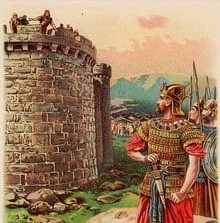
God helped King Uzziah fight victoriously against his enemies, and the Bible says he became famous and very powerful. He built and fortified towers in Jerusalem and the wilderness. He had a lot of livestock and people working his fields and vineyards.
King Uzziah also had a well-trained army of 307,500 men for which he provided various weaponry for the entire army, and 2,600 family leaders over them. The Bible tells us in 2 Chronicles 26:14, that King Uzziah provided “shields, spears, helmets, coats of armor, bows and sling stones for the entire army.” In addition, he created devices for use on the towers and corner defenses so that the soldiers could fight, shooting arrows and hurling stones appropriately.
With all of this, the Bible tells us, King Uzziah’s “fame spread far and wide, for he was greatly helped until he became powerful.”
Unfortunately, with Uzziah’s great power and success, came pride, which led to his downfall. We are shown that Uzziah was unfaithful to God and entered the temple to burn incense on the altar of incense. ( A big no-no!) Azariah the priest along with eighty other priests followed King Uzziah in the temple and confronted him about it, telling him he was wrong to do so.
Only priests, descendants of Aaron, who had been consecrated to burn incense were approved to offer incense. He was told to leave the sanctuary as he had been unfaithful and would not be honored by God.
Image: DrawforGod.com
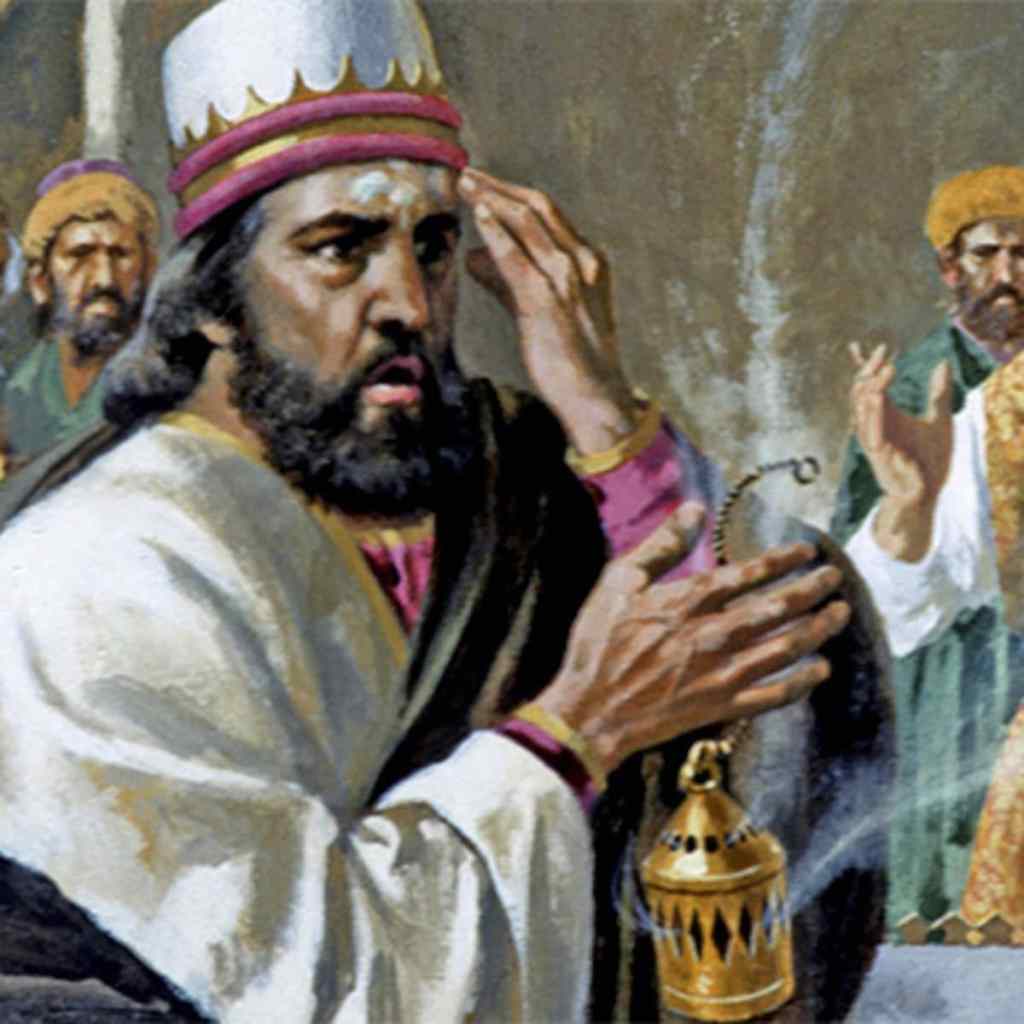
Consequently, King Uzziah got angry, and while holding a censer ready to burn the incense, the Bible says he was raging at the priests. Can you imagine? In the temple, in the presence of God, this going on? Raging isn’t a polite word and denotes violent uncontrollable anger via Merriam-Webster, and stormy, furious, and turbulent behavior in Hebrew.
Then, the chief priest and all the others looked at King Uzziah as leprosy broke out on his forehead. Hence, the priests hurried him out, and he “was eager to leave because the Lord had afflicted him.” (2 Chronicles 26:20)
Image: 2013 – V. Gilbert and Arlisle F. Beers/Lynn Maynard
Sadly, King Uzziah had leprosy for the rest of his life, was banned from the temple, and had to live in a separate house, with his son, Jotham, having charge of the palace and governing the people. King Uzziah served as king of Judah in Jerusalem for fifty-two years, after which He was buried near his ancestors in a cemetery belonging to kings, as he was spoken of as having leprosy. His son Jotham became the next king.
Video:Bible Investigators TV
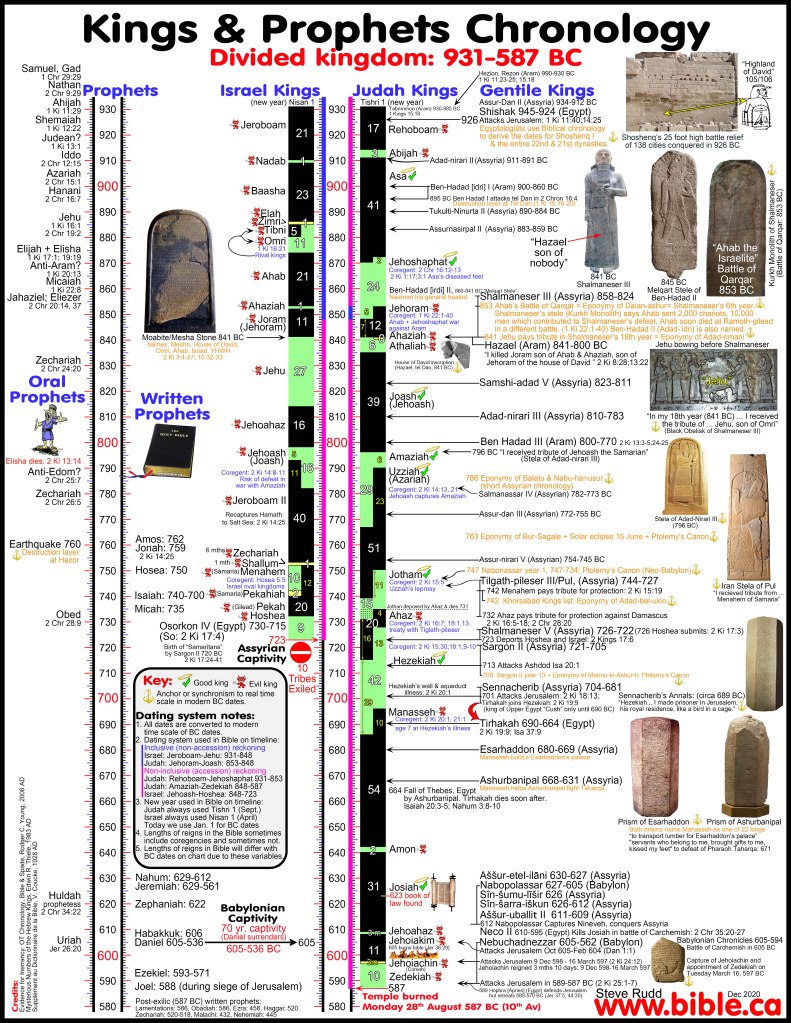
Tragically, someone may start life well and later end up losing everything of importance because of their own poor decisions. King Uzziah followed in the footsteps of his dad, King Amaziah, beginning well, but ending poorly. As well, King Amaziah followed in the footsteps of his father, King Joash, who also started his reign righteously, but ended woefully. Dismally, King Ahaziah, King Joash’s dad, did evil in God’s sight, following his father King Jehoram, who also lived wickedly and died of a painful intestinal disease.
Steve Rudd/www.bible.ca
Unfortunately, oftentimes great power and authority can make us full of arrogance and self-conceit. The Bible warns us of the danger of pride: “When pride comes, then comes disgrace, but with humility comes wisdom.” (Proverbs 11:2) “The LORD detests all the proud of heart. Be sure of this: They will not go unpunished.”(Proverbs 16:5) “Pride goes before destruction, a haughty spirit before a fall.” (Proverbs 16:18)
David Diga Hernandez, Evangelist
Perhaps the best action for any of us in the family of God would be to pray daily that the Holy Spirit would help us to maintain a consistent spirit of humility in all of life; recognizing, denouncing, and shunning any prideful temptations the enemy would send to destroy us, and our witness for the Lord. I mention denouncing because sometimes exposing or speaking against what we know to be a temptation, as well as praying, can be a strong source of defense against pride. Not to mention, just staying in our lane.